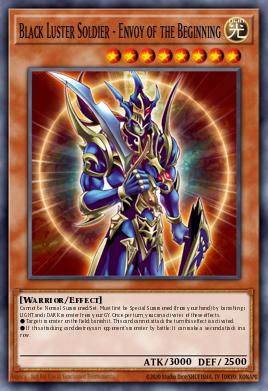
While the Goat Control archetype has long dominated the Goat Format scene with its patient, methodical playstyle centered around Black Luster Soldier – Envoy of the Beginning, the modern revival of the format around 2020 brought a fresh contender to the table: Chaos Turbo. Unlike traditional Goat Control, Chaos Turbo is built around tempo and card advantage — using efficient plays to stay consistently ahead of the opponent rather than just reacting to their moves.
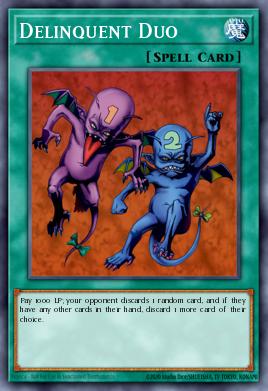
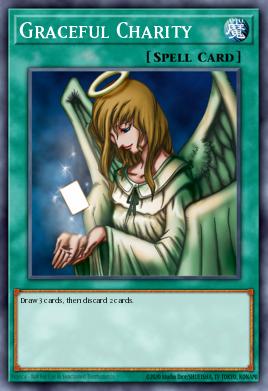
Chaos Turbo emerged from the desire to optimize classic cards like Thunder Dragon and Chaos Sorcerer in ways that were previously overlooked in competitive Goat play. While many players had experimented with Thunder Dragon in Alternate Win Condition decks, Chaos Turbo reimagined its role entirely. The deck focuses on generating immediate advantage — often creating a +1 on the field, protecting your resources from disruptive cards like Delinquent Duo, and enhancing the efficiency of powerhouse draw cards like Graceful Charity. By leveraging this synergy, Chaos Turbo maintains momentum and keeps opponents constantly on the back foot.
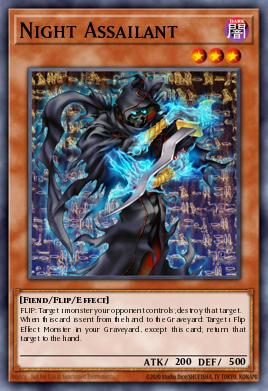
Another card that helped define the turbo-style philosophy was Night Assailant. Much like Thunder Dragon, Night Assailant offered consistent advantage generation and opened additional avenues for aggressive, tempo-oriented play, reinforcing the deck's unique identity. The combination of these cards made Chaos Turbo a distinct, modern-era Goat Format strategy — a deck that isn't just surviving the meta, but actively reshaping how players approach the format's core strategies.
In this guide, we'll break down the optimal decklist, explore favorable and unfavorable matchups, and provide a side deck guide to help you master Chaos Turbo and exploit its tempo-driven potential. Whether you're a seasoned Goat Format veteran or a newcomer intrigued by turbo-style combos, this guide will equip you with everything you need to dominate the field.
What Is Chaos Turbo?
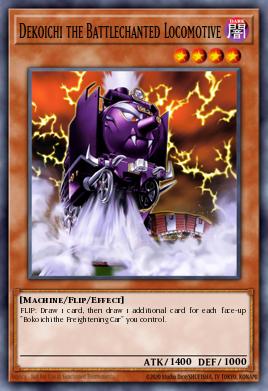
Chaos Turbo gets its name from its ability to cycle cards quickly and consistently stay ahead in tempo. Unlike traditional Goat Control, which focuses on methodical, reactive plays, Chaos Turbo thrives on rapid advantage generation, allowing you to maintain pressure and always be one step ahead of your opponent. The deck can quickly assemble its core combos through cards like Jar of Greed, Upstart Goblin, Dekoichi, the Battlechanted Locomotive, and Card Destruction, creating a strong engine for fast-paced play.
Thunder Dragon + Chaos Monsters
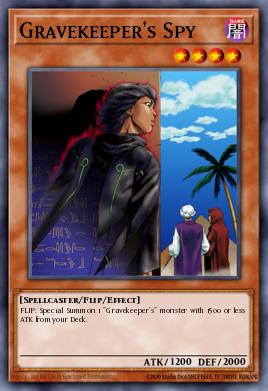
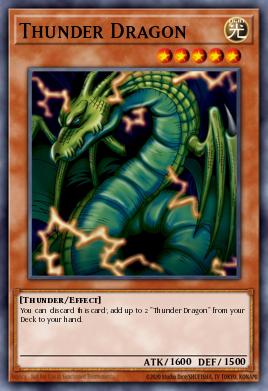
One of the deck's key strengths comes from Thunder Dragon in combination with Chaos monsters. Thunder Dragon provides easy access to a Chaos summon by letting you send a LIGHT monster to the graveyard instantly. Meanwhile, DARK monsters are easy to put into the grave with cards like Gravekeeper's Spy, Dekoichi, and Night Assailant.
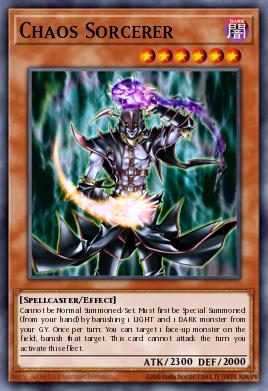
If these monsters are destroyed, you can immediately summon a Chaos monster like Chaos Sorcerer. Even if they survive, you can tribute them on your turn after resolving an effect, following up with Chaos Sorcerer or Black Luster Soldier – Envoy of the Beginning. This synergy allows you to generate advantage while maintaining tempo, a defining feature of Chaos Turbo.
Thunder Dragon + Discard Spells and Traps
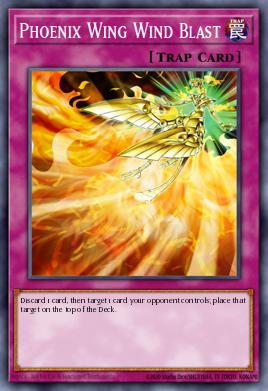
Thunder Dragon also pairs exceptionally well with discard-oriented spells and traps. Cards like Card Destruction and Graceful Charity not only help cycle your hand but also allow you to generate incremental advantage after a Thunder Dragon summon. Even powerful but normally −1 cards like Phoenix Wing Wind Blast or Raigeki Break become much more efficient — Thunder Dragon's ability to recycle and generate advantage offsets the inherent loss, turning potential tempo setbacks into opportunities.
By leveraging these interactions, Chaos Turbo creates a self-sustaining engine, keeping your hand and field resources strong while consistently staying ahead of your opponent. It's this combination of fast card cycling, chaos synergy, and tempo-focused advantage that makes the deck both unique and highly competitive in the modern Goat Format scene.
The Core Deck List
A standard Chaos Turbo deck typically runs 32 core cards with an additional 8 flex spots for personal tweaks and meta adjustments. The deck revolves around a combination of tempo plays, card advantage, and Chaos summoning potential, making every card choice important.
Signature Cards
Thunder Dragon — When discarded, adds a Thunder Dragon from your deck to your hand. Generates a +1 and fuels Chaos summons by sending a LIGHT monster to the grave. It's the deck's primary engine for tempo and advantage.
Gravekeeper's Spy — Flip to special summon a Gravekeeper's monster with 1500 or less ATK from your deck. Provides board pressure while filling the graveyard for Chaos summons, creating synergy with Thunder Dragon.
Night Assailant — When sent from the hand to the graveyard, returns a Flip Effect Monster from the graveyard to your hand. Cycles your flip monsters and maintains card advantage, fitting the deck's tempo-oriented play.
Dekoichi, the Battlechanted Locomotive — When flipped, draw 1 card. Helps cycle cards quickly, feeding your hand and graveyard for follow-up plays.
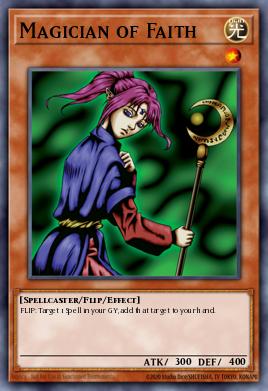
Magician of Faith — Flip to add a spell from your graveyard to your hand. Recycles key spells like Graceful Charity or Card Destruction, allowing repeated advantage generation.
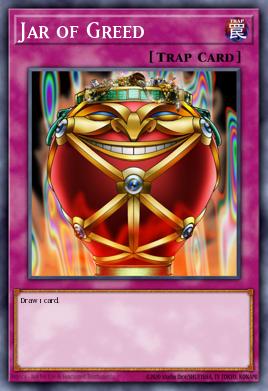
Jar of Greed — Draw 1 card. Provides simple card draw that cycles your hand and can bait opponent responses.
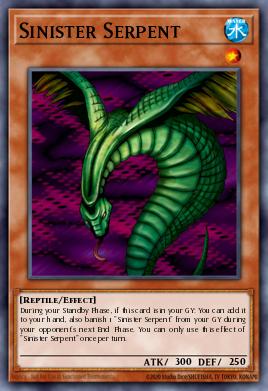
Sinister Serpent — Returns to your hand during the Standby Phase when in the graveyard. Recurring discard outlet for spells and traps, keeping card advantage flowing.
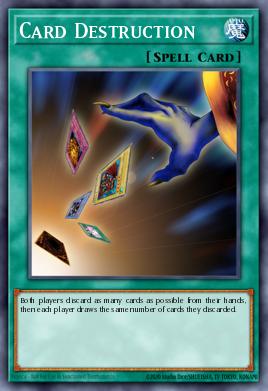
Card Destruction — Both players discard their hands and draw the same number of cards. Feeds both your hand and graveyard while taking advantage of your extra card generation.
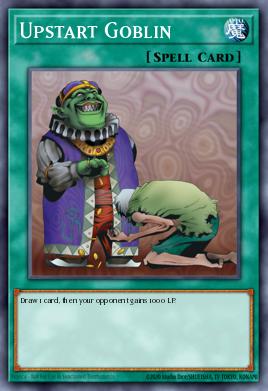
Upstart Goblin — Draw 1 card and your opponent gains 1000 life points. Thins your deck while providing a reliable target for Magician of Faith, keeping your tempo engine consistent.
Solemn Judgment — Pay half your life points to negate a summon, spell, or trap. Acts as a checkmate tool, stopping critical plays and maintaining tempo.
Phoenix Wing Wind Blast — Discard 1 card to target 1 card your opponent controls; return it to the top of their deck. A strong removal option that disrupts the opponent while being safe to use with Thunder Dragon as the discard.
Raigeki Break — Discard 1 card to destroy 1 card on the field. Applies pressure and clears threats while pairing with discard advantage cards.
Flex Spots and Tech Choices
The standard Chaos Turbo list runs 32 core cards, and what separates the best players is how they choose the remaining 8 flex slots. These choices often define playstyle, matchup strengths, and the deck's overall consistency.
Jar of Greed Ratio
Jar of Greed serves as a fast, reliable draw engine. Many top players tweak the number of copies to keep opponents guessing how many real traps remain.
- Early Game: Multiple copies can pay off by speeding up your deck and masking the density of real traps, helping against cards like Trap Dustshoot.
- Late Game: Over-reliance can backfire — drawing a Jar of Greed when you need a crucial card can set you a turn behind, and it reduces the density of real threat cards in your deck.
Balancing Jar of Greed is all about tempo versus real trap density — too many can slow your endgame, too few can make your early turns inconsistent.
Trap Dustshoot Ratio
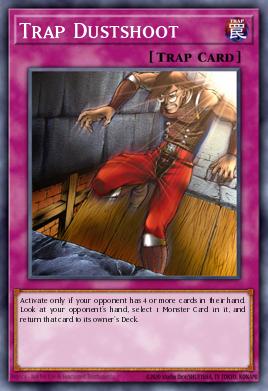
Trap Dustshoot is a meta-dependent tech card.
- Mirror and Chaos Matchups: Extremely powerful; it can swing the game alone by removing key threats and disrupting your opponent's tempo.
- Heavy Backrow Decks (e.g., Warrior, Burn): Often dead, leading to potential disadvantage if drawn at the wrong time.
Some players still run multiple copies for the high-roll chance — its potential to act as an external win condition can be game-changing, especially in mirror matches.
Spirit Reaper
Spirit Reaper is a situational tech card that can pay off in the right matchups.
- Advantages: Pairs well with Nobleman of Crossout for a strong oppressive start. Acts as a shield against aggressive decks like Warrior.
- Disadvantages: Often dead versus control decks, and its biggest downside is that it doesn't synergize with Night Assailant, since it's not a flip monster.
This makes Spirit Reaper a high-risk, high-reward tech — effective in aggressive matchups but situational overall.
Zaborg, The Thunder Monarch
Zaborg the Thunder Monarch is a very unorthodox but potentially explosive tech card.
- Advantages: Can create insane tempo swings, especially when your opponent isn't expecting it. It enables huge pushes and can overwhelm stalling decks like Chaos Control or Burn variants.
- Disadvantages: With only 3 copies of Chaos monsters and potential lost Rock-Paper-Scissors (RPS) plays, Zaborg can feel like a brick if drawn at the wrong time.
Zaborg is best considered a meta-specific tech, giving high reward in certain matchups while carrying the risk of dead draws in others.
Flex spots in Chaos Turbo are where player skill and meta knowledge shine. Choosing the right balance between draw consistency, trap density, and situational techs can turn a strong deck into a dominant, tempo-driven machine.
Chaos Turbo Variants
Not all Chaos Turbo decks are built the same. Over the years, players have developed several variants to suit different playstyles and metas.
Standard Chaos Turbo
The Standard Chaos Turbo list is the foundation, similar to the deck outlined in previous chapters. It includes all the staples and trap cards, typically running 2 Jar of Greeds and 1 Trap Dustshoot, ensuring you're prepared for a wide variety of matchups. This version focuses on consistent tempo, card advantage, and reliable Chaos access, making it the most balanced and widely played variant.
3 Solemn / 3 Jar of Greeds List
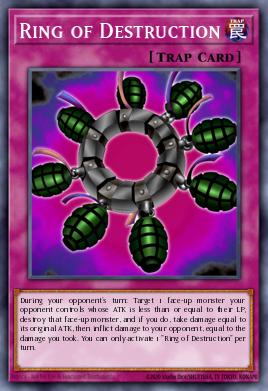
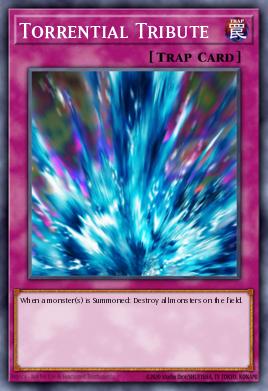
This variant prioritizes advantage and clutch plays over raw trap density. Often, players cut traps like Torrential Tribute or even Ring of Destruction in favor of 3 Solemn Judgments and 3 Jar of Greeds.
- Strategy: Requires careful evaluation of the game state to use Solemn Judgment at the right moment, potentially following up with additional Solemn Judgments to secure critical turns and create a checkmate scenario.
- Playstyle: High-skill and timing-focused, rewarding precise decision-making rather than relying on a wide trap toolbox.
Return Chaos Turbo
The Return Chaos Turbo is less common but can be high-roll oriented. It leans into more aggressive or unexpected plays, often exploiting Nobleman of Crossout in mirrors.
- Strategy: Focuses on catching opponents off guard with unexpected OTKs or high-pressure swings.
- Playstyle: Riskier and less consistent than Standard or Solemn-heavy builds, but capable of spectacular tempo plays if executed correctly.
Each variant has its own strengths and weaknesses, and your choice should depend on your local meta, personal playstyle, and tolerance for high-risk, high-reward plays. While Standard remains the safest all-around option, Solemn-heavy or high-roll builds can dominate in the right hands.
Matchup Guide
Understanding matchups is essential to mastering Chaos Turbo. While the deck is highly consistent and tempo-oriented, different opponents require different approaches.
Chaos Turbo Mirror Match
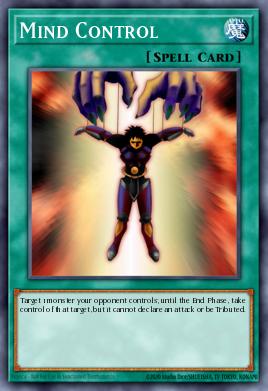
The mirror match is largely determined by who resolves their flip effects first and starts generating advantage. Because of this, Nobleman of Crossout and Mind Control become two of the most important cards in the matchup, as they help control the tempo of flip monsters.
Resolving Gravekeeper's Spy early can apply enormous pressure by establishing field presence and setting up Chaos summons. Dekoichi increases your chances of drawing into power cards, while Magician of Faith can often decide the game if it retrieves a powerful spell from the graveyard — especially one of the Trinity cards.
A key rule in the mirror is not to waste your Chaos monsters too early. When a player is forced to use a Chaos monster just to answer a flip monster, they are usually falling behind. Chaos monsters should be played carefully and only when you have the proper setup. Otherwise, your opponent can simply respond with their own Chaos monster, removing yours and leaving you without a strong late game.
vs Warrior
The Warrior matchup can be difficult in Game 1, as the Warrior strategy was largely designed to counter Chaos-based decks. However, if Chaos Turbo manages to steal Game 1, the match often becomes very favorable after siding.
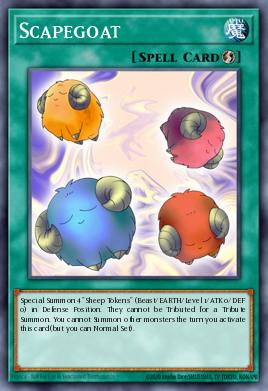
One of the most important plays in this matchup is resolving Gravekeeper's Spy, which can stall the game and slow down the aggressive Warrior pressure. Popular side deck options include battle traps and Scapegoat, both of which help protect your flip monsters.
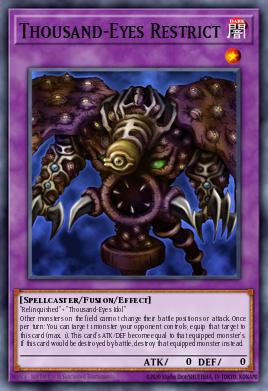
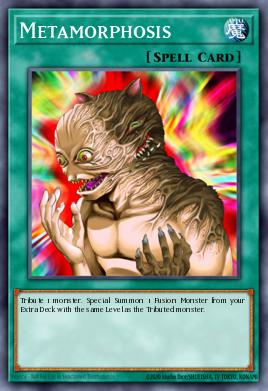
Protecting your flip monsters should be your number one priority. Scapegoat not only absorbs pressure from Warrior monsters but also allows you to stall effectively with Metamorphosis into Thousand-Eyes Restrict.
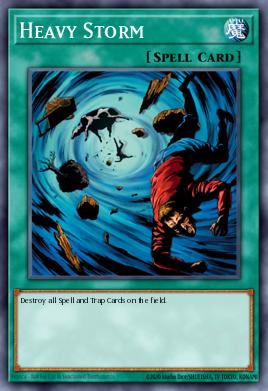
Ultimately, the goal of the matchup is to survive the early turns, generate advantage through flip monsters, and then close the game with Heavy Storm and Chaos monsters once you've stabilized.
vs Burn
Game 1 against Burn is difficult for almost every deck. The combination of floodgates and Ojama Trio locks can be extremely oppressive.
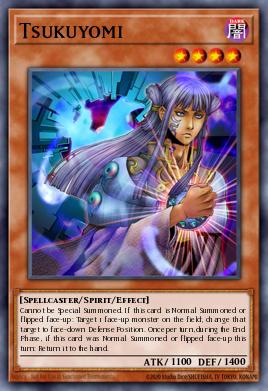
Chaos Turbo can sometimes find a win by looping Magician of Faith with Tsukuyomi, or by resolving Heavy Storm followed by a strong combination of cards to end the game quickly.
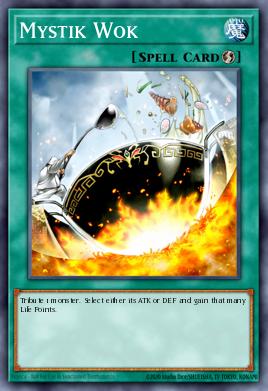
However, Games 2 and 3 are heavily favored for Chaos Turbo. The deck can side in cards such as Mystik Wok and Mobius the Frost Monarch, which are very effective against Burn's lock and floodgate strategy. Because Chaos Turbo cycles through cards quickly, it is usually able to find its side deck answers reliably.
vs Goat Control
Against Goat Control, the matchup is generally favorable. Chaos Turbo is faster and more consistent, allowing it to pressure the opponent early.
Applying early pressure with Gravekeeper's Spy is particularly effective, as it helps clear Scapegoat tokens quickly and prevents Goat Control from stabilizing.
A key point is to save your Chaos monsters as answers to Thousand-Eyes Restrict. Instead of committing them immediately, try to pressure the opponent with flip monsters such as Dekoichi and Spy. This forces Goat Control to commit their power plays first, allowing you to respond with your Chaos monsters afterward.
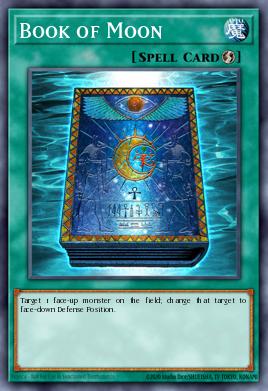
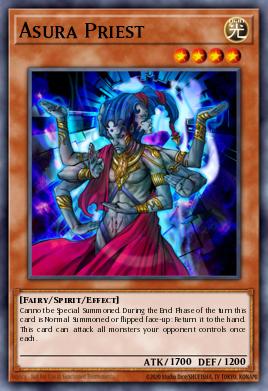
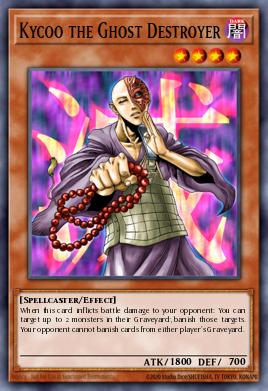
Good side deck options for this matchup include Asura Priest, Kycoo the Ghost Destroyer, and additional copies of Book of Moon. After siding, always keep track of your trap count in case your opponent brings in Royal Decree.
vs Chaos Control
Chaos Control has stronger late-game potential than Goat Control, but it also tends to brick more often due to its heavier card choices.
One of the best cards in this matchup is Trap Dustshoot. The Chaos Control deck can be quite clunky, and removing key cards — sometimes even something as simple as Sinister Serpent — can heavily disrupt their entire game plan.
If the game goes very long, Chaos Control is usually favored because of its stronger late-game power plays. Because of this, Chaos Turbo should try to capitalize on tempo and push for victory earlier.
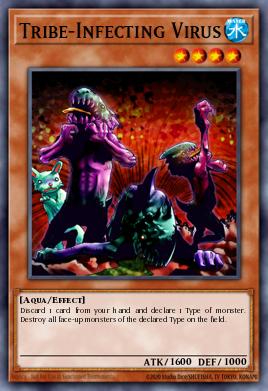
A key sequence to keep in mind is Tribe-Infecting Virus + Heavy Storm + Black Luster Soldier. Try not to waste these cards unnecessarily and look for opportunities to create an OTK push.
Another interesting strategy is using Card Destruction aggressively. If your opponent locks the field with Thousand-Eyes Restrict and Scapegoat, holding Card Destruction can sometimes deck them out unexpectedly, especially if their resources are already running low.
Side Deck Plans
| Matchup | Side Out | Side In |
|---|---|---|
| Chaos Turbo Mirror | 1 Mystical Space Typhoon · 1 Card Destruction · 1 Torrential Tribute · 1 Night Assailant | 1 Trap Dustshoot · 2 Mind Control · 1 Kycoo the Ghost Destroyer |
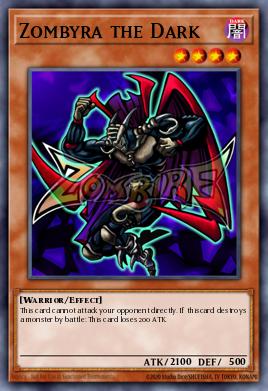
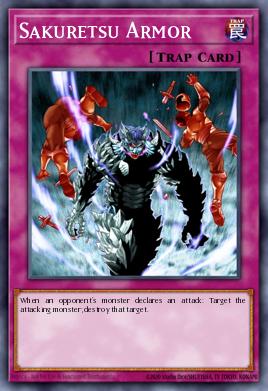
| Warrior | 2 Nobleman of Crossout · 1 Trap Dustshoot · 2 Night Assailant · 1 Dekoichi · 1 Book of Moon | 2 Scapegoat · 2 Metamorphosis · 2 Sakuretsu Armor · 1 Zombyra the Dark |
| Burn | 1 Snatch Steal · 1 Solemn Judgment · 1 Trap Dustshoot | 2 Mystik Wok · 1 Mobius the Frost Monarch |
| Goat Control | 1 Solemn Judgment · 1 Dekoichi | 1 Kycoo the Ghost Destroyer · 1 Asura Priest |
| Chaos Control | 1 Solemn Judgment · 1 Dekoichi | 1 Mind Control · 1 Trap Dustshoot |
Common Mistakes to Avoid
Even though Chaos Turbo is a very powerful and consistent deck, many games are lost due to small sequencing mistakes or poor resource management. Avoiding the following common errors can significantly improve your performance with the deck.
1. Setting Magician of Faith on Turn 1 After Resolving a Trinity Piece
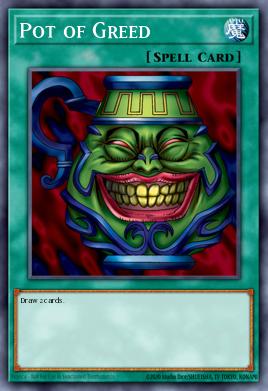
A common mistake is setting Magician of Faith immediately after resolving a Trinity card such as Pot of Greed, Delinquent Duo, or Graceful Charity.
In many cases, it is better to bait out Nobleman of Crossout first before committing Magician of Faith to the field. If your opponent still has Nobleman available, setting Magician of Faith too early can result in losing both the monster and all remaining copies in your deck. Waiting for the right moment greatly increases the chances of successfully resolving its effect.
2. Summoning Chaos Monsters Too Early Without Protection
Playing Chaos Sorcerer or Black Luster Soldier – Envoy of the Beginning too early without protection can be extremely risky.
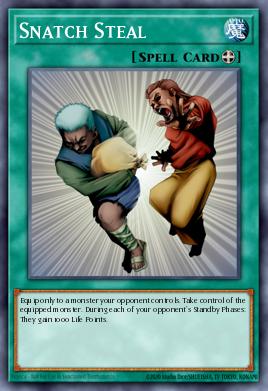
One of the biggest threats is Snatch Steal. If your opponent steals your Chaos monster — especially your own Black Luster Soldier — the tempo swing can be devastating and may immediately cost you the game. Always consider whether you can protect your Chaos monsters before committing them to the field.
3. Using Upstart Goblin Before Nobleman of Crossout
When you have both Nobleman of Crossout and Upstart Goblin, sequencing matters.
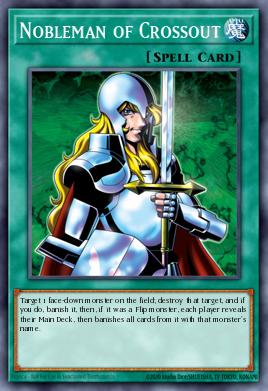
You should usually activate Nobleman of Crossout first, before playing Upstart Goblin. The reason is Gravekeeper's Spy. If you activate Upstart first and draw a Spy, and then resolve Nobleman on your opponent's set monster, you could end up removing all copies of Spy from your own deck — turning the one you just drew into a dead card.
Proper sequencing prevents unnecessary risks and keeps your deck functioning smoothly.
4. Using Graceful Charity Without Proper Discard Targets
Another frequent mistake from newer players is activating Graceful Charity without having good discard targets available.
Chaos Turbo aims to maximize the value of Graceful Charity, ideally turning it into a +1 or better. Cards like Thunder Dragon, Night Assailant, and Sinister Serpent allow you to discard without losing resources.
If you do not have these cards available, it is often correct to wait patiently rather than activating Charity immediately.
5. Using Jar of Greed Immediately Instead of Bluffing
While Jar of Greed is often used immediately to cycle cards, there are situations where it is better to leave it set on the field for a turn or two.
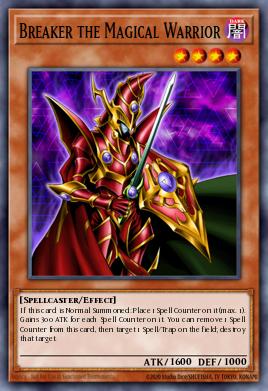
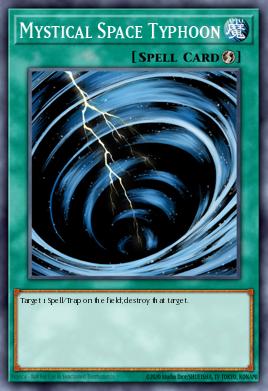
Doing so can create a bluff, forcing your opponent to respect it as a real trap card. This can alter their decision-making or even bait removal like Mystical Space Typhoon, Heavy Storm, or Breaker the Magical Warrior. If your opponent spends a removal card on Jar of Greed, you effectively gain a +1 in tempo and resources.
However, this requires careful judgment. Always ask yourself:
- Do I need to draw something specific right now?
- Can I afford to wait one or two turns?
Understanding when to activate Jar of Greed immediately and when to bluff with it is an important skill for mastering Chaos Turbo.
FAQ
Is Chaos Turbo the Best Deck of the Format?
If what you're looking for is consistency and adaptability, then the answer is yes. Chaos Turbo is widely considered one of the strongest decks of the format because it can adjust its playstyle depending on the matchup.
The deck has the ability to stall against aggressive strategies while also shifting into a more aggressive role against slower control decks. This flexibility allows Chaos Turbo players to control the tempo of the game and adapt their strategy depending on the situation.
Because of its strong draw engine, efficient monsters, and powerful Chaos bosses, the deck can consistently find the tools it needs to answer almost any opponent.
What's the Best Way to Beat Chaos Turbo?
There are several cards and strategies that are particularly effective against Chaos Turbo:
- Mind Control + Nobleman of Crossout is a strong way to disrupt the deck's early game by removing key flip monsters such as Magician of Faith or Dekoichi before they can generate advantage.
- Trap Dustshoot is also extremely effective early on. It not only disrupts the opponent's hand but also gives you full knowledge of their resources, allowing you to plan your plays accordingly. Later in the game, it can also shuffle Chaos monsters back into the deck, denying powerful summons.
- Kycoo the Ghost Destroyer is one of the best answers in the late game. By preventing cards from being banished from the graveyard, Kycoo can completely shut down the summoning of Chaos monsters.
How Much Does Chaos Turbo Cost to Build?
If you build the deck using the lowest rarity versions of the cards, Chaos Turbo can be surprisingly affordable. On average, the full deck can be built for around $70 or less, depending on card condition and availability. This makes it a relatively accessible option compared to many competitive decks.
What's the Best Chaos Turbo List for Beginners?
For players who are new to the deck, the Standard Chaos Turbo list is the best starting point. This version includes all of the staple trap cards of the format, making the deck less predictable and more versatile across different matchups. It also keeps the core Chaos Turbo strategy intact:
- Cycling through the deck quickly
- Maintaining tempo advantage
- Finding your power cards consistently
Because of its balanced structure, the standard list allows beginners to learn the fundamentals of Chaos Turbo while still having strong answers to every major deck in the format.
Keep Reading
Download Deck List
Ready to play? Copy the deck list below and paste the YDKE code into your deck builder to start playing Chaos Turbo right away.
🃏 Chaos Turbo — Deck List
Main Deck (40)
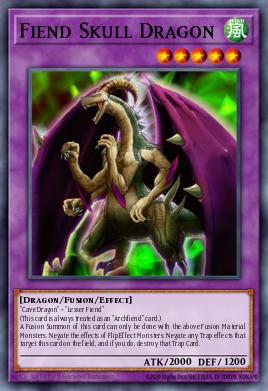
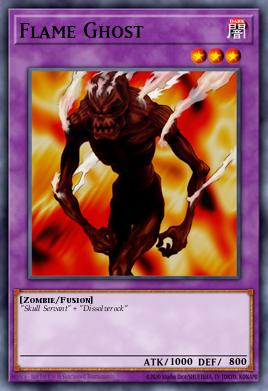
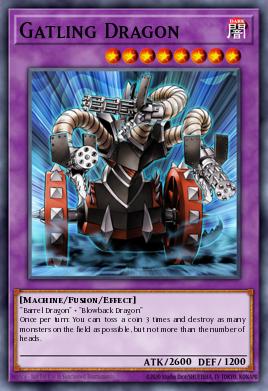
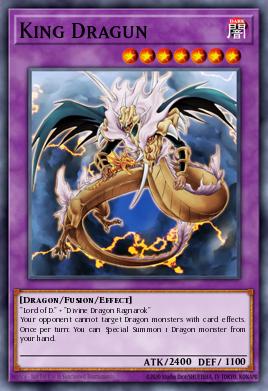
Extra Deck (15)
Side Deck (15)
Continue your journey into Goat Format:
- Goat Control Complete Deck Guide — The most iconic deck in Goat Format explained
- Goat Format Tier List 2026 — Where Chaos Turbo ranks and why
- Goat Format Staples: Every Must-Have Card Explained — Deep-dive into every core card
- 5 Best Budget Goat Format Decks Under $30 — Build competitive decks on a budget
- Goat Format Banlist Explained — The restrictions that shape the format
- Where to Play Goat Format Online in 2026 — Every platform compared
- Yu-Gi-Oh! Retro Formats Guide — Every retro format compared: Goat, Edison, HAT, Tengu and more
- Global Rankings — See who's at the top of the Goat World leaderboard
Ready? Join the Goat World Discord — free, 24/7, and your first ranked match is one command away.