Goat Control is the deck that defined an era. When competitive Yu-Gi-Oh! players debate the most skill-intensive strategy in the game's history, the conversation begins and ends with this archetype. Built around the devastating Scapegoat into Metamorphosis into Thousand-Eyes Restrict engine, Goat Control is a grinding, patient, resource-management strategy that rewards deep format knowledge, precise sequencing, and the ability to read your opponent's intentions across dozens of turns. It is the best deck in Goat Format — not because it has the most explosive plays, but because in the hands of a skilled pilot it makes fewer mistakes and converts small advantages into insurmountable leads.
This guide is the most comprehensive goat control deck resource on the internet. It covers the core deck list with card-by-card explanations, flex spots that separate good builds from great ones, every major variant, the key combo lines that win games, a complete matchup guide covering the six most common opponents, a full side deck plan with matchup-specific swaps, and the five most punishing mistakes that even experienced players make. Whether you are learning how to play goat control for the first time or refining a build you have piloted for years, this guide has something for you.
What Is Goat Control?
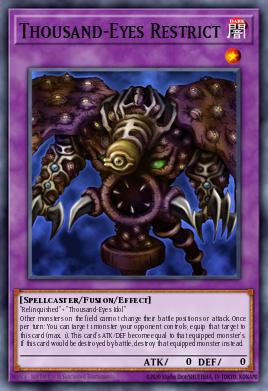
Goat Control is a midrange control deck named after Scapegoat, the quick-play spell that generates four Level 1 Sheep Tokens. Those tokens serve as the foundation for the deck's most iconic play — converting them into Thousand-Eyes Restrict via Metamorphosis, creating a board lock that absorbs an opponent's strongest monster while preventing all other monsters from attacking. But Goat Control is far more than a single combo. It is a deck built on interlocking engines that generate incremental advantage: flip effect monsters that replace themselves, recursion loops that recover spent resources, and a trap lineup that punishes aggression at every opportunity.
Why It's the Deck That Defined a Format
The April 2005 format — universally known as "Goat Format" — takes its name directly from this archetype. When the game's most influential players sat down at Shonen Jump Championships and regional tournaments in 2005, the overwhelming majority played some version of Goat Control or a deck specifically designed to beat it. The strategy's dominance was not about raw power — Black Luster Soldier - Envoy of the Beginning provides the explosive finishing blow, but the deck wins through card advantage, not aggression. Goat Control sits at the top of the tier list because it has answers for everything, recovers from almost any board state, and consistently converts pilot skill into match wins.
The format frozen around this era has become the most popular retro Yu-Gi-Oh! format in the world, and Goat Control remains the measuring stick against which every other strategy is evaluated. To understand Goat Format, you must understand this deck.
The Scapegoat + Metamorphosis Engine
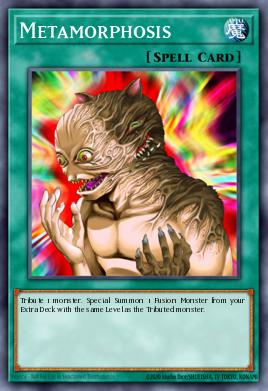
The Scapegoat into Metamorphosis into Thousand-Eyes Restrict play is the most important combo in Goat Format, and understanding it thoroughly is the first step to mastering the deck. Scapegoat is activated during the opponent's End Phase or in response to an attack, generating four Level 1 tokens. On your turn, you activate Metamorphosis targeting one token, sending it to the graveyard to special summon Thousand-Eyes Restrict from your fusion deck. TER then activates its effect to equip one opponent's monster to itself, removing it from the field. As long as TER remains face-up, no other monsters can attack — creating a complete board lock.
This play accomplishes four things simultaneously: it removes the opponent's strongest threat, it establishes an attack lock, it generates card advantage since Scapegoat cost one card and removed one of theirs, and it leaves three remaining tokens for future Metamorphosis activations or as tribute fodder. The play is so central to the format that the entire banlist is partially shaped by its existence.
The Core Deck List
The standard goat control deck list runs 40 cards with a tight core of approximately 32 cards that appear in nearly every competitive build, plus 8 flex spots that vary based on metagame, personal preference, and variant choice. Understanding which cards are core and which are flexible is essential for adapting your build to your local environment or the GoatWorld ranked ladder.
Signature Cards
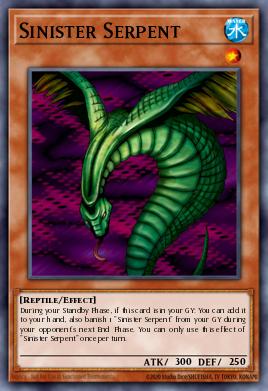
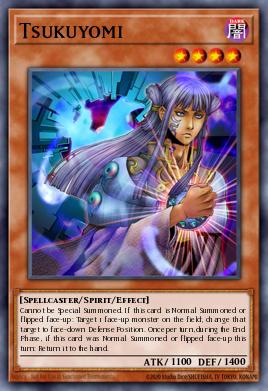
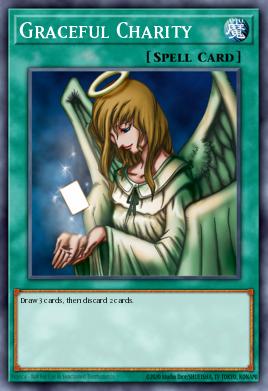
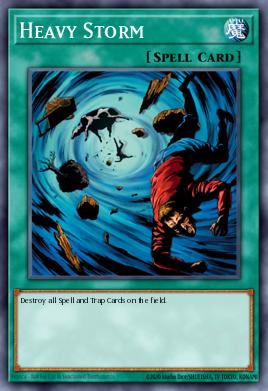
Goat Control is built around six cards that define every game the deck plays. Scapegoat generates four Level 1 tokens that fuel the entire Metamorphosis engine and serve as tribute fodder, battle walls, and recurring combo material across multiple turns. Metamorphosis converts any face-up monster into a Fusion Monster of the same Level — most critically turning a Scapegoat token into Thousand-Eyes Restrict, the format's most oppressive lock piece that absorbs an opponent's monster and prevents all others from attacking. Tsukuyomi is the recycling engine that flips TER face-down to absorb a new target, flips Magician of Faith face-down to recover another power spell, and resets any face-up monster for repeated value. Black Luster Soldier - Envoy of the Beginning is the 3000 ATK finisher that ends games grinding for twenty turns — capable of attacking twice or banishing any monster it battles. Magician of Faith recovers a spell from the graveyard when flipped, creating a recurring loop with Tsukuyomi that retrieves Pot of Greed, Graceful Charity, Heavy Storm, or Metamorphosis itself every turn cycle. Sinister Serpent returns from the graveyard to hand every Standby Phase, acting as a free discard for Tribe-Infecting Virus and ensuring the deck never runs dry on resources.
Card-by-Card Breakdown
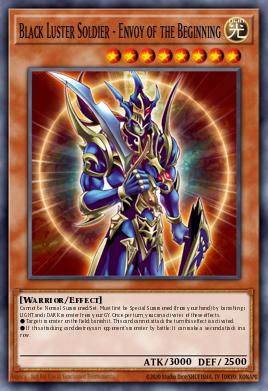
Black Luster Soldier - Envoy of the Beginning is the format's best monster and the deck's primary win condition. A 3000 ATK beater that can attack twice or banish any monster it destroys in battle, BLS ends games that have been grinding for twenty turns. The card is so powerful that some players consider it the reason the deck functions — but experienced pilots know the deck wins without it more often than they expect. BLS is the finisher, not the engine.
Airknight Parshath is the deck's secondary card advantage engine. At 1900 ATK with piercing damage and a draw effect that triggers whenever Airknight deals battle damage, this card turns safe attacks into card advantage. Attacking a face-down Magician of Faith or Scapegoat token with Airknight nets you a free card while dealing damage, and the piercing ensures that even defensive boards generate advantage for you. Airknight is also LIGHT, fueling BLS.
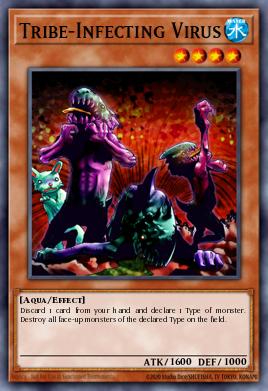
Tribe-Infecting Virus provides targeted board clearing. By discarding a card and declaring a monster type, TIV destroys all face-up monsters of that type. Against Warrior decks, declaring "Warrior" clears their entire board. Against the mirror match, declaring "Spellcaster" handles opposing Breaker or Magician of Faith. TIV is DARK, fueling BLS, and its discard cost synergizes with Sinister Serpent.
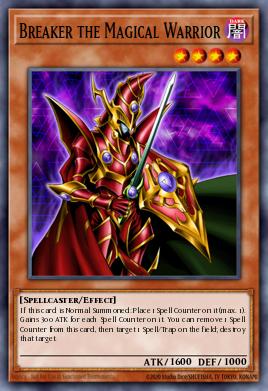
Breaker the Magical Warrior enters the field with a Spell Counter that gives it 1900 ATK, and you can remove that counter to destroy a face-up spell or trap. Breaker serves double duty as a beater and backrow removal, and its DARK attribute feeds BLS. The most common play is summoning Breaker, popping a set card, and attacking for 1600.
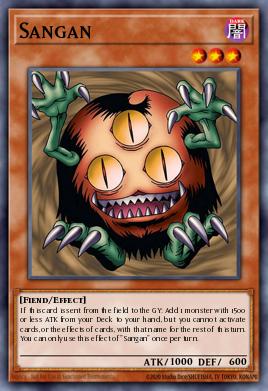
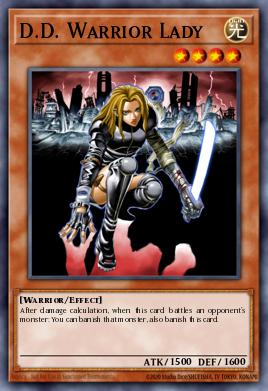
D.D. Warrior Lady banishes any monster she battles, regardless of ATK values. She is the format's answer to recursive threats like Vampire Lord, face-up monsters that cannot be destroyed by effects, and — most critically — opposing BLS. DDWL is LIGHT for BLS and often the card you search with Sangan in the late game.
Tsukuyomi is the deck's most underrated workhorse. This Spirit monster flips a face-up monster face-down when normal summoned, then returns to hand during the End Phase. The applications are endless: flip your own Magician of Faith face-down to reuse her effect next turn, flip an opponent's monster face-down to attack over it or target it with Nobleman of Crossout, flip Thousand-Eyes Restrict face-down so it can absorb a new monster next turn, or flip an opponent's face-up monster to deny them an attack. Tsukuyomi is the recycling engine that makes the deck function in long games.
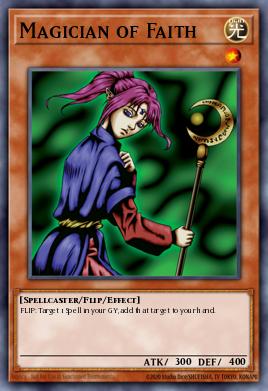
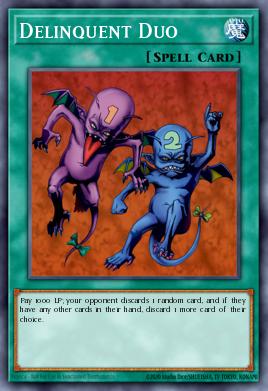
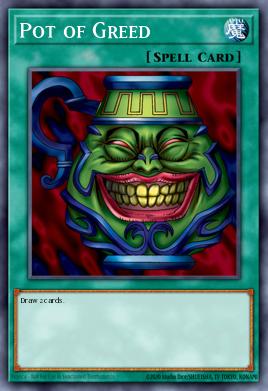
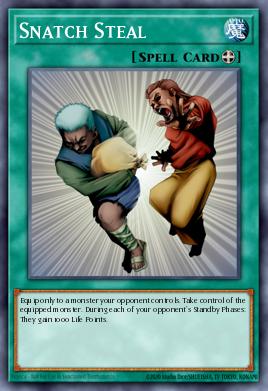
Magician of Faith recovers a spell from the graveyard when flipped face-up. In a deck running Pot of Greed, Graceful Charity, Delinquent Duo, Heavy Storm, Snatch Steal, and Metamorphosis, the potential recovery targets are all game-changing. Combined with Tsukuyomi, Magician of Faith can be flipped repeatedly across multiple turns, recovering a different power spell each time. This loop is the card advantage engine that makes Goat Control the format's best grinding deck.
Sinister Serpent returns from the graveyard to your hand during each Standby Phase, functioning as a free discard for Tribe-Infecting Virus, a free card to set and protect your life points, and a permanent +1 that ensures you never truly run out of resources. Sinister Serpent is the grease that keeps the deck running smoothly.
Mystic Tomato searches any DARK monster with 1500 or less ATK when destroyed by battle, most commonly fetching Sangan, Sinister Serpent, Magician of Faith, or another Tomato. Two copies provide opening-turn defense that replaces itself, and the DARK attribute fuels BLS.
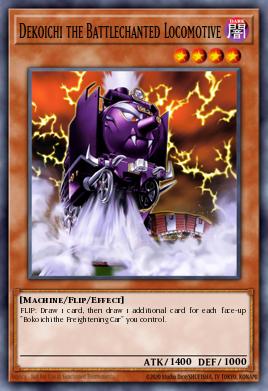
Dekoichi the Battlechanted Locomotive draws a card when flipped face-up. It is a simple, reliable card advantage tool that supplements the flip engine. Set Dekoichi, let the opponent attack into it, draw a card, and continue grinding. Two copies are standard in builds that prioritize draw power.
Morphing Jar forces both players to discard their entire hands and draw five new cards when flipped. In Goat Control, this effect is overwhelmingly positive because the deck functions well off the top of the deck and runs more individually powerful cards than most opponents. Morphing Jar also dumps Sinister Serpent to the graveyard for recurring value and can be reused with Tsukuyomi or Book of Moon.
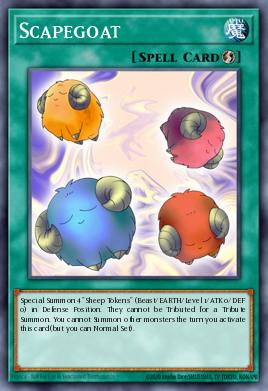
Scapegoat generates four Level 1 tokens as a quick-play spell. Beyond the Metamorphosis combo, tokens serve as tribute fodder, battle walls, and sacrifice material for Metamorphosis into multiple fusion plays across several turns. Activating Scapegoat during the opponent's End Phase is the standard timing to avoid the restriction on normal summoning during the turn it is activated.
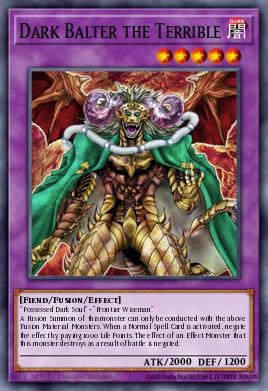
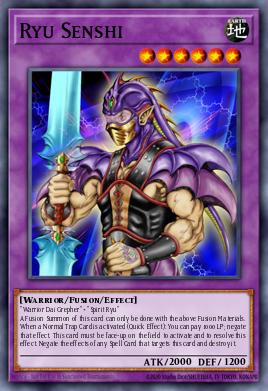
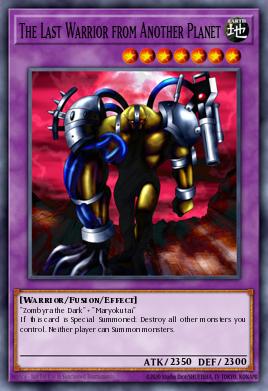
Metamorphosis converts any face-up monster into a Fusion Monster with the same Level. Level 1 tokens become Thousand-Eyes Restrict. Level 4 monsters become Dark Balter the Terrible (negate spell effects) or Ryu Senshi (negate trap effects). Level 5 or higher monsters become The Last Warrior from Another Planet, which prevents all future summons. Metamorphosis is the most versatile card in the deck.
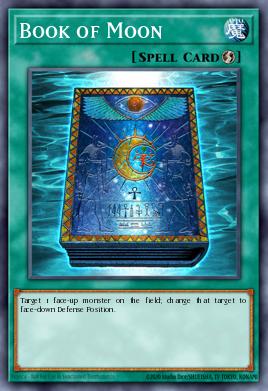
Book of Moon flips any face-up monster face-down at quick-play speed. Defensively, it stops attacks, negates flip summons, and protects your monsters from targeting effects. Offensively, it flips opponents' monsters face-down to attack over them or target with Nobleman of Crossout. Two copies are standard and many pilots consider it the format's best spell after Pot of Greed.
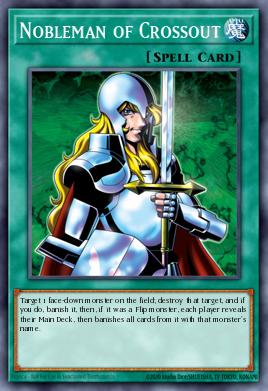
Nobleman of Crossout banishes a face-down monster and, if it is a flip effect monster, banishes all copies from both decks. This card is devastating against opposing Magician of Faith, Morphing Jar, and any face-down set monster. Two copies is the standard count as described in the rules guide, ensuring you have answers to the flip effect mirrors.
Flex Spots and Tech Choices
The standard list above includes approximately 32 core cards. The remaining 8 slots are where the best goat control builds differentiate themselves, and understanding the trade-offs is what separates a good Goat Control player from a great one.
The 5-8 Cards That Change Between Builds
The flex slots in Goat Control typically come from the last few monster slots, the trap lineup beyond the essential removal, and occasional spell adjustments. Cards that commonly appear in these flex spots include Asura Priest, Reinforcement of the Army, additional copies of Scapegoat or Metamorphosis, Night Assailant, Lightning Vortex, and adjustments to the trap count.
2 vs 3 Scapegoat
The question of how many Scapegoat to run is one of the format's most debated deckbuilding decisions. One copy is the minimum — you always want access to the Metamorphosis engine. Two copies increase consistency and ensure you see the combo more frequently, but the second copy can be dead in hand when you have already resolved one. Three copies is excessive in most builds, as drawing multiple copies leads to unplayable hands. The standard is one copy in control-heavy builds and two in variants that lean harder on the token engine.
Airknight Count
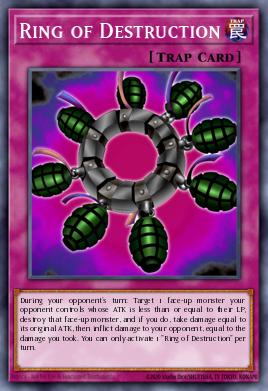
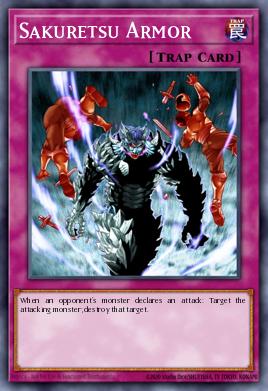
Most builds run one Airknight Parshath, but some aggressive variants run two. The second copy increases the odds of drawing into the deck's best beater, but Airknight at 1900 ATK is vulnerable to opposing Sakuretsu Armor and Ring of Destruction, making multiple copies risky. One copy is standard and correct for most metagames.
Popular Tech Options
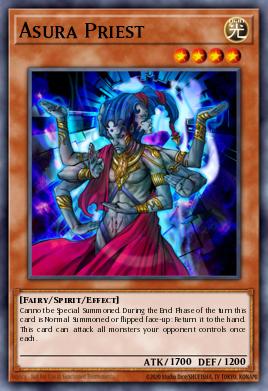
Asura Priest is a Spirit monster that attacks all monsters the opponent controls, then returns to hand during the End Phase. It clears Scapegoat tokens, Mystic Tomato boards, and token walls, making it excellent in the mirror and against wide boards. Many tournament-winning lists include one copy.
Reinforcement of the Army searches D.D. Warrior Lady, Exiled Force, or Blade Knight depending on your build. It adds consistency by converting a spell into whatever Warrior you need. One copy is common in builds that run multiple Warrior-type targets.
Night Assailant destroys a flip effect monster when flipped, and when discarded to the graveyard returns another flip effect from your graveyard to hand. This creates a loop with Tribe-Infecting Virus — discard Night Assailant to TIV's cost, retrieve Magician of Faith from graveyard — and adds resilience to the flip engine.
Goat Control Variants
Not every goat control build plays the same way. Three distinct variants have emerged over the format's history, each with a different approach to winning.
Standard Goat Control
This is the list described above — the balanced build that plays the broadest range of matchups well. Standard Goat Control wins through accumulated advantage, the Metamorphosis engine, and BLS as a finisher. It is the default choice for players who want a consistent, all-around strategy with no glaring weaknesses. If you are unsure which variant to play, play standard.
Turbo Goat (Dekoichi + Apprentice)
Turbo Goat maximizes draw power by running the full set of draw-oriented flip monsters and sometimes adding Apprentice Magician to search out flip effects from the deck. The additional draw power accelerates the deck's engine and helps find key combo pieces faster, at the cost of slightly less defensive trap coverage. Turbo Goat is favored in metagames where speed matters more than resilience, and it performs well against non-interactive combo strategies that punish slow starts.
Soul Control (Monarchs + Goats)
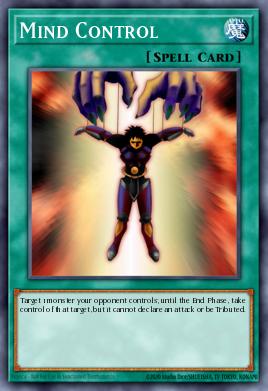
Soul Control merges the Scapegoat engine with the Monarch tribute engine. Instead of grinding exclusively through flip effects and Metamorphosis, Soul Control uses Scapegoat tokens as tribute fodder for Mobius the Frost Monarch (destroys two spells/traps), Thestalos the Firestorm Monarch (hand disruption), or Zaborg the Thunder Monarch (monster destruction). The Monarch engine gives the deck explosive tempo plays that standard Goat Control lacks, but the additional tribute monsters can lead to bricked hands. Soul Control is the best variant against trap-heavy strategies and Burn, where Mobius's backrow clearing is decisive.
Key Combos and Lines of Play
Understanding the key combo lines that win games with Goat Control is the difference between piloting the deck and mastering it. These are the plays that experienced pilots execute automatically and new players must learn to recognize.
Scapegoat → Metamorphosis → Thousand-Eyes Restrict
The deck's signature play, described in detail above. The critical timing note is to activate Scapegoat during the opponent's End Phase — never on your own turn unless you are forced to, because Scapegoat prevents you from normal summoning the turn it is activated. Playing Scapegoat reactively during the opponent's turn avoids this restriction entirely.
Tsukuyomi + Thousand-Eyes Restrict Loop
After resolving a Metamorphosis play and equipping an opponent's monster to TER, normal summon Tsukuyomi and target TER to flip it face-down. TER's equipped monster is destroyed when TER is flipped face-down. On your next turn, flip summon TER face-up to absorb a new opponent's monster. Tsukuyomi returns to your hand during the End Phase, ready to repeat the loop indefinitely. This combo removes one opponent's monster per turn cycle and is the primary reason TER locks feel inescapable.
Magician of Faith Recursion
Set Magician of Faith, wait for the opponent to attack or flip summon her, recover a power spell from the graveyard. Then use Tsukuyomi or Book of Moon to flip MoF face-down. Flip her again next turn to recover another spell. This loop can recover Pot of Greed, Graceful Charity, Heavy Storm, Snatch Steal, Metamorphosis, or Delinquent Duo — each recovery representing a massive swing in card advantage. Protecting this loop is often the path to victory in long games.
Sinister Serpent Engine
Sinister Serpent returns from the graveyard to your hand during each Standby Phase. This means you always have a card to set as a monster (protecting life points), a card to discard to Tribe-Infecting Virus (free board clears), or material for Graceful Charity discards without losing real resources. Dumping Serpent early via Graceful Charity or Morphing Jar is almost always correct, because the recurring value it provides over the course of a game is worth far more than whatever one card it replaces in your hand.
Airknight + Snatch Steal Pressure
When you control Airknight Parshath and resolve Snatch Steal on the opponent's best monster, you can attack with both for massive damage and two card draws. This play often ends games on the spot when the opponent is at mid-range life points, and even when it does not kill, the two-card advantage swing is devastating. The key is recognizing when the opponent's backrow is depleted enough to commit to this line safely.
Matchup Guide
Goat Control's versatility means it has game against everything, but knowing how each matchup plays out — and specifically what your priorities should be — is what turns close games into comfortable wins.
Goat Control Mirror
The mirror match is the most common matchup in competitive Goat Format and the one that tests pilot skill most thoroughly. Both players are running the same engine, the same answers, and the same win conditions. Games are decided by resource management, read accuracy, and sequencing.
The player who resolves Magician of Faith more times almost always wins. Protecting your MoF from Nobleman of Crossout is priority number one — never set MoF into an open board where the opponent has mana on turn one. Wait until you have trap protection or the opponent has already used their Nobleman copies. Tsukuyomi is the mirror's most important card because it enables the MoF loop and flips TER for reuse. Whoever establishes the Tsukuyomi-MoF loop with trap protection wins the grind.
BLS is the tiebreaker. In mirrors that go to the late game with both players at low resources, BLS often decides the outcome. Having D.D. Warrior Lady ready for the opponent's BLS is critical, but equally important is knowing when to deploy your own BLS — do not summon it into an open board with unknown backrow.
vs Chaos Turbo / Chaos Control
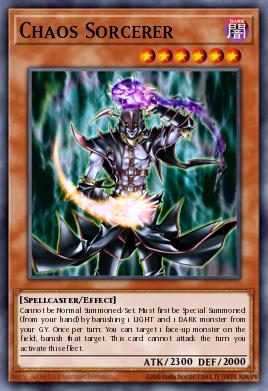
The Chaos matchup comes down to whether the Chaos player resolves BLS with board presence or whether you answer it. Chaos decks are faster and more explosive than Goat Control, running Chaos Sorcerer alongside BLS for multiple banish threats. But their speed comes at the cost of grinding power — Chaos builds run fewer flip effects and less recursion.
Your plan is to slow the game down. Sakuretsu Armor and Ring of Destruction handle early aggression. D.D. Warrior Lady is your answer to BLS, and you should search for her with Sangan early if you suspect Chaos. Nobleman of Crossout is less important here — Chaos decks run fewer flip effect monsters — so consider your Nobleman copies as dead cards in Games 2 and 3 and side them out.
vs Warrior Toolbox
Warriors put constant pressure on the board with Reinforcement of the Army searches, meaning they always have a threat to summon. The matchup is favorable for Goat Control because your answers are more flexible than their threats. Tribe-Infecting Virus declaring "Warrior" is devastating against their board, and your trap lineup handles individual Warrior beaters efficiently.
The danger is D.D. Warrior Lady — Warrior builds run their own, and if they banish your Thousand-Eyes Restrict while it has a monster equipped, you lose the TER and the equipped card permanently. Play around this by saving Book of Moon to flip TER face-down before DDWL can connect.
vs Zoo / Beastdown
Beastdown decks combine high-ATK Beast-Type and Beast-Warrior-Type monsters with Enraged Battle Ox and Berserk Gorilla for aggressive trample damage. Their ATK values often exceed yours, making direct monster combat unfavorable. The matchup becomes favorable once you establish the TER lock, because Zoo decks lack main-deck tools to remove face-up Thousand-Eyes Restrict without battle.
Focus on surviving the early game with traps, then resolve Scapegoat into Metamorphosis. Once TER absorbs their biggest beater, the game is functionally over. Sakuretsu Armor on Berserk Gorilla is especially satisfying — when Gorilla is in face-up attack position and its controller cannot switch it to defense, destroying it is a clean one-for-one.
vs Burn / Stall
Burn is the matchup where Goat Control needs to play most aggressively. Your typical grinding gameplan is exactly what Burn wants — a long game where they accumulate damage from Stealth Bird flips and Wave-Motion Cannon charges. You need to end the game quickly or answer their stall pieces before they kill you through direct damage.
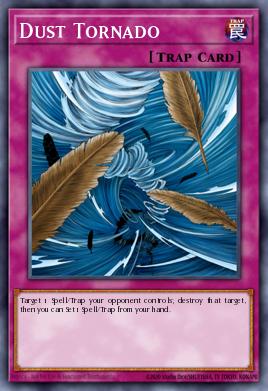
Heavy Storm is your most important card in this matchup, destroying multiple continuous spells, traps, and face-down protection in one shot. Breaker the Magical Warrior picks off Gravity Bind, Messenger of Peace, and Wave-Motion Cannon individually. Dust Tornado from the main deck and additional backrow removal from the side deck are critical. Do not wait — every turn you spend grinding is a turn Burn spends charging Wave-Motion Cannon. Attack their life points at every opportunity and destroy their lock pieces immediately.
vs Recruiter / Flip Control
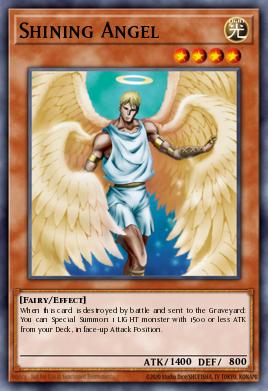
Recruiter decks use monsters like Mystic Tomato, Shining Angel, and Giant Rat to search combo pieces on destruction. Against this strategy, your Nobleman of Crossout copies become extremely valuable — banishing a face-down recruiter denies the search and thins their deck of all copies. D.D. Warrior Lady banishes recruiters instead of destroying them, similarly denying the search.
The matchup is generally favorable because your card quality exceeds theirs at every point on the curve. Play normally, use removal efficiently, and avoid attacking into face-down monsters unnecessarily — if you suspect a flip effect, use Nobleman instead of wasting an attack that triggers a beneficial flip.
Side Deck Guide
The side deck is where good Goat Control players become great ones. Understanding exactly what to bring in and what to take out for each matchup saves games that mainboard slots cannot.
Recommended Side Deck (15 Cards)
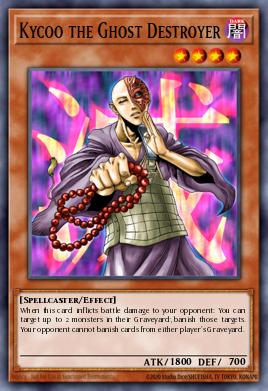
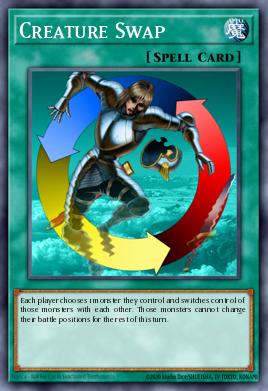
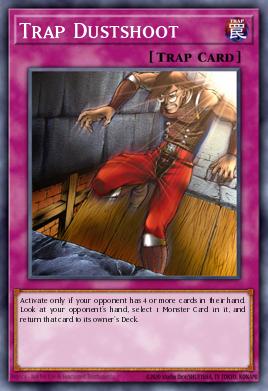
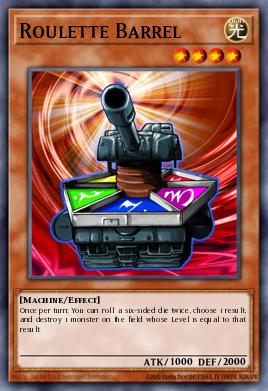
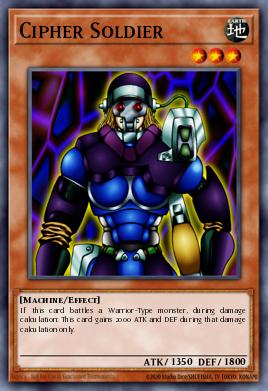
Mobius the Frost Monarch x1, Mystic Swordsman LV2 x1, Blade Knight x1, Royal Decree x2, Dust Tornado x1, Bottomless Trap Hole x1, Trap Dustshoot x1, Enemy Controller x1, Lightning Vortex x1, Exarion Universe x1, Kycoo the Ghost Destroyer x2, Creature Swap x1, Chain Disappearance x1
Side Deck Plan by Matchup
| Matchup | Side In | Side Out |
|---|---|---|
| Mirror | Blade Knight, Trap Dustshoot, Creature Swap, Exarion Universe | Tribe-Infecting Virus, Widespread Ruin, 1x Sakuretsu Armor, Threatening Roar |
| Chaos | Kycoo x2, Trap Dustshoot, Enemy Controller | 2x Nobleman of Crossout, Morphing Jar, 1x Dekoichi |
| Warriors | Lightning Vortex, Bottomless Trap Hole, Enemy Controller | Morphing Jar, 1x Nobleman of Crossout, Threatening Roar |
| Burn | Mobius, Royal Decree x2, Dust Tornado | 2x Sakuretsu Armor, Widespread Ruin |
| Zoo | Lightning Vortex, Bottomless Trap Hole, Enemy Controller | Morphing Jar, 1x Nobleman of Crossout, Threatening Roar |
| Recruiter | Mystic Swordsman LV2, Chain Disappearance, Trap Dustshoot | Widespread Ruin, 1x Sakuretsu Armor, Threatening Roar |
Kycoo the Ghost Destroyer is the MVP side deck card against Chaos. Kycoo banishes cards from the opponent's graveyard when it deals battle damage and prevents the opponent from banishing cards from either graveyard — directly shutting down BLS, Chaos Sorcerer, and D.D. Warrior Lady. At 1800 ATK it is a viable attacker, and against Chaos it is often more impactful than BLS itself.
Royal Decree negates all trap effects, completely neutering Burn/Stall decks and heavy trap builds. Two copies against Burn is often game-winning by itself.
Common Mistakes to Avoid
Even experienced goat control pilots make errors that cost games. Recognizing these patterns and correcting them is the fastest path to improving your win rate on the GoatWorld ladder.
1. Flipping Magician of Faith Into an Open Board
The single most common mistake new Goat Control players make is flip-summoning Magician of Faith without trap protection when the opponent has two or more set backrow cards. If one of those cards is Nobleman of Crossout — which the opponent can chain to your flip summon by flipping MoF face-down with Book of Moon first, then targeting with Nobleman — your MoF and all copies are banished. Even without Nobleman, a naked MoF on board invites the opponent to attack over it freely. Always wait until you have trap coverage or the opponent's Nobleman copies are accounted for.
2. Activating Scapegoat on Your Own Turn
Scapegoat prevents you from normal summoning the turn it is activated. Activating it on your own turn means you cannot summon for that entire turn — wasting your normal summon, which is the most valuable action in the game. Always activate Scapegoat during the opponent's turn, preferably during their End Phase or in response to a direct attack. The only exception is a desperation scenario where you will lose immediately without blocking an attack.
3. Committing BLS Into Unknown Backrow
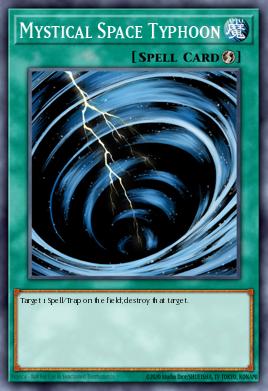
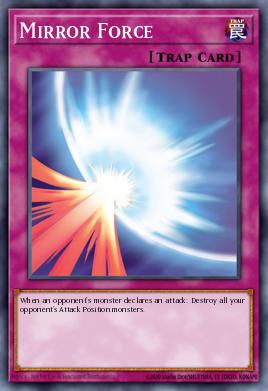
BLS is your most valuable card and cannot be recovered once banished. Summoning BLS into three set backrow cards is gambling your win condition against potential Sakuretsu Armor, Ring of Destruction, Mirror Force, or Bottomless Trap Hole. Clear part of the opponent's backrow first with Heavy Storm, Breaker, Dust Tornado, or Mystical Space Typhoon, then deploy BLS when the path is safer.
4. Ignoring Board Presence for Card Advantage
Goat Control is a card advantage deck, but card advantage means nothing when you are at 1000 LP and the opponent has a Breaker swinging in. New players sometimes prioritize drawing cards and setting flip effects over actually putting monsters on the board and attacking. Balance your plays — there are times when a 1400 ATK Mystic Tomato attack is more important than setting Morphing Jar for a potential five-card refill.
5. Mismanaging the Extra Deck
Your fusion deck has only five slots and each one matters. Do not waste Metamorphosis converting a Level 4 monster into Dark Balter the Terrible just because you can — save Metamorphosis for the game-winning TER play unless Balter specifically answers a problem spell the opponent is about to play. Similarly, do not summon The Last Warrior from Another Planet unless you are certain the opponent cannot answer it, because TLWFAP locks both players out of summoning and you need to summon to function.
Frequently Asked Questions
Is goat control the best deck in goat format?
Yes. Goat Control has consistently demonstrated the highest win rate across tournament play and the GoatWorld ranked ladder over decades of competitive play. Its combination of versatility, card advantage engines, and access to every staple in the format gives it tools for every matchup. The deck is not unbeatable — Chaos variants can race it, Burn can steal games, and Warriors can outpace it — but piloted correctly, Goat Control has no unfavorable matchup.
How to beat goat control?
The most effective strategy against Goat Control is speed combined with graveyard disruption. Kycoo the Ghost Destroyer prevents BLS from being summoned and banishes graveyard resources. Aggressive Warrior builds that apply constant board pressure can overwhelm Goat Control before its grinding engine comes online. Nobleman of Crossout against their face-down flip effects denies the recursion engine. And Royal Decree from the side deck shuts down their trap lineup entirely.
What is the difference between goat control and soul control?
Soul Control is a Goat Control variant that replaces some of the flip-effect monsters and defensive traps with Monarch tribute monsters like Mobius the Frost Monarch and Thestalos the Firestorm Monarch. Soul Control uses Scapegoat tokens as tribute fodder rather than exclusively as Metamorphosis material. The result is a deck with more explosive tempo plays but slightly less consistency and grind power than standard Goat Control.
How much does goat control cost to build?
A full, tournament-optimized goat control deck with BLS costs between $50 and $300 depending on card printings and market conditions. BLS is the most expensive individual card, ranging from $30 to $200 for different printings. The rest of the deck — including all staples, flip effects, traps, and the fusion deck — can be assembled for $20-50 using budget printings. A budget version without BLS costs $25-30 and is still competitive. Online play on GoatWorld is completely free.
What is the best goat control deck list for beginners?
Start with the standard list presented in this guide without modifications. Resist the urge to add tech cards until you understand why each of the 40 cards is included. The standard build teaches proper sequencing, resource management, and matchup awareness without the additional complexity of variant-specific cards. Once you have fifty or more games under your belt and understand the flex spots, begin experimenting with the variants described above.
Master Goat Control on the Ranked Ladder
You have the list, you understand the combos, you know the matchups, and you have a side deck plan for every opponent. The fastest way to put this knowledge into practice is the GoatWorld ranked ladder. Build the deck for free on any online simulator, join the GoatWorld Discord, and start playing ranked matches against the format's most dedicated community. Check the current season rankings to see where the best Goat Control pilots stand, study the tournament coverage for recent results, and claim your spot in the competitive hierarchy.
Goat Control is the deck that rewards mastery. Every game teaches you something. Every match sharpens your reads. Every season on the ladder brings new challenges and deeper understanding of the most skill-intensive strategy in Yu-Gi-Oh! history. The deck is waiting. Your ranked journey starts now.
Download Deck List
Ready to play? Copy one of the deck lists below and paste the YDKE code into your deck builder to start playing Goat Control right away.
Version 1
🃏 Goat Control — Version 1
Main Deck (40)
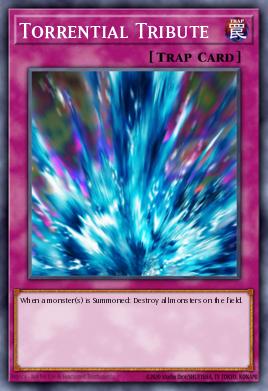
Extra Deck (15)
Side Deck (15)
Version 2
🃏 Goat Control — Version 2
Main Deck (40)
Extra Deck (15)
Side Deck (15)
Keep Reading
Continue your journey into Goat Format:
- What Is Goat Format? — The definitive guide to the format
- 5 Best Budget Goat Format Decks Under $30 — Build Goat Control on a budget
- Goat Format Staples: Every Must-Have Card Explained — Deep-dive into every core card
- Goat Format Tier List 2026 — Where Goat Control ranks and why
- Goat Format Banlist Explained — The restrictions that shape the format
- Where to Play Goat Format Online in 2026 — Every platform compared
- Yu-Gi-Oh! Retro Formats Guide — Every retro format compared: Goat, Edison, HAT, Tengu and more
- Global Rankings — See who's at the top of the Goat World leaderboard
Ready? Join the Goat World Discord — free, 24/7, and your first ranked match is one command away.