With the rise of Chaos Turbo as one of the most popular decks in modern GOAT Format online, a natural answer has also emerged: Warrior.
Back in 2005, when Goat Control dominated the competitive scene, a deck like modern Warrior didn't make much sense. Goat Control was simply its natural counter. Many lists at the time played cards like Swords of Revealing Light, Gravekeeper's Spy, and even the Guardian engine, making it very difficult for aggressive Warrior strategies to maintain pressure.
The modern metagame, however, tells a very different story.
Today, Chaos Turbo is often the most played deck in online GOAT tournaments. Because of that, Warrior has found a real place in the format as one of the best direct counters to the strategy.
Modern Warrior lists are specifically built to punish Chaos-based decks. Cards like Mystic Swordsman LV2, three copies of Blade Knight, multiple Trap Dustshoot, and several copies of Kycoo the Ghost Destroyer allow the deck to disrupt both of Chaos Turbo's core engines:
- The flip monster engine
- The Chaos graveyard setup
By shutting down flip effects and preventing graveyard manipulation, Warrior can heavily limit the opponent's ability to stabilize.
The deck's game plan revolves around establishing early control of the field, denying key flip effects, and applying constant pressure until it can convert that advantage into a fast OTK push. Warrior often trades traditional card advantage for tempo, board presence, and immediate damage, forcing the opponent into defensive positions where their Chaos plays become far less effective.
What Is Warrior?
Warrior is an anti-meta aggro–stun deck. The strategy takes its name from the monsters it plays, which are almost entirely Warrior-type.
The core idea behind the deck is to take control of the early game by shutting down the opponent's flip monsters and preventing them from setting up their engine. Once that early advantage is established, Warrior focuses on building a strong board presence and pushing large amounts of damage over the next few turns.
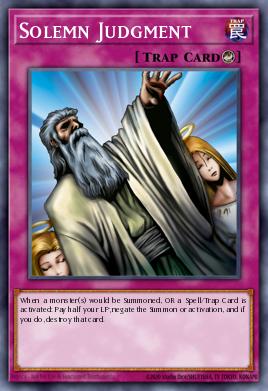
Cards like Solemn Judgment play a key role in this strategy, allowing you to stop your opponent's most important plays at critical moments. When used correctly, this often creates checkmate scenarios, where the opponent is unable to recover while facing lethal damage on board.
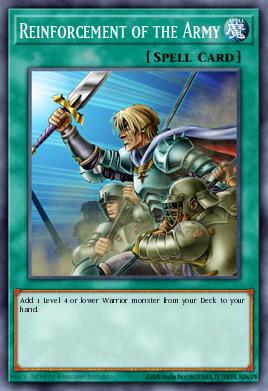
A key card in the deck is Reinforcement of the Army, which acts almost like a joker that can access whatever monster you need at the right time. Depending on the situation, it can search:
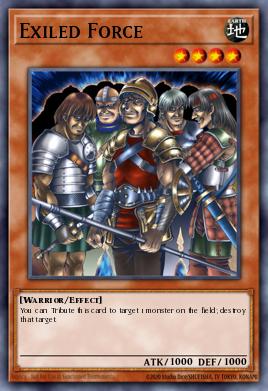
- Exiled Force to safely destroy a set monster or remove a larger threat
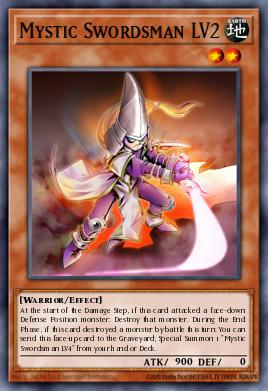
- Mystic Swordsman LV2 if you expect cards like Gravekeeper's Spy
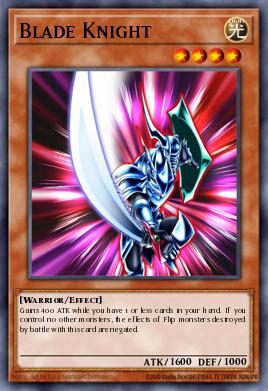
- Blade Knight as a strong beater that also answers many flip monsters
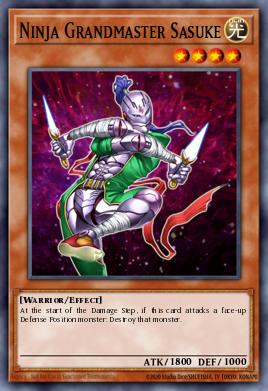
- Ninja Grandmaster Sasuke to deal with defensive walls such as Spirit Reaper, Gravekeeper's Spy, or other high-defense monsters
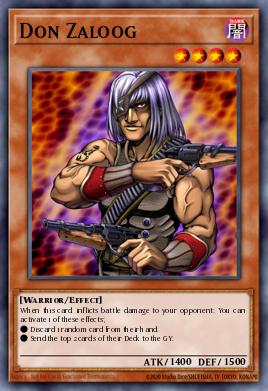
- Don Zaloog, which can apply huge pressure by forcing the opponent to answer it immediately or risk losing their entire hand
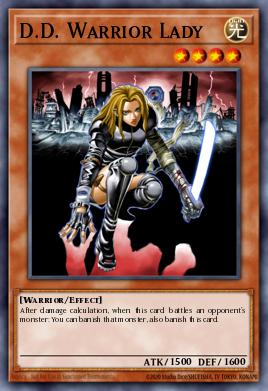
- D.D. Warrior Lady, which can banish problematic monsters such as Sinister Serpent or Sangan, preventing their graveyard effects from resolving. This is also very important against Chaos decks, as it can deny your opponent the ability to place a LIGHT or DARK monster in the graveyard at a crucial moment, delaying or preventing a Chaos summon.
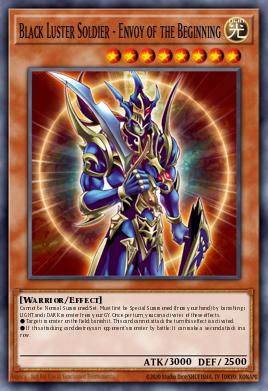
Warrior is not designed to be a traditional late-game deck. However, it can still afford to run Black Luster Soldier – Envoy of the Beginning. Because Reinforcement of the Army gives the deck consistent access to both LIGHT and DARK monsters, it is surprisingly reliable to set up the requirements for BLS. In a deck that already focuses on tempo and aggression, resolving BLS can quickly lead to devastating OTK scenarios.
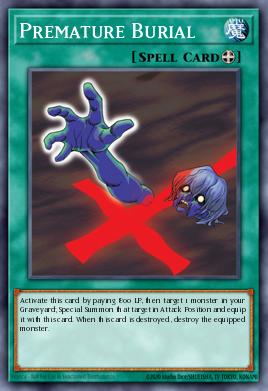
Normal Summon + Premature Burial / Call of the Haunted
Warrior is one of the few decks in GOAT Format that can realistically play with true extenders.
While it doesn't rely on Chaos monsters or Metamorphosis engines like other strategies, it compensates by using aggressive revival cards such as Premature Burial and Call of the Haunted. These cards allow you to immediately extend your board presence and maintain tempo.
With these tools, Warrior can create powerful soft lock combinations early in the game, such as:
These combinations heavily restrict the opponent's options while simultaneously applying pressure. By forcing your opponent onto the defensive, Warrior can often push them close to defeat within just a few turns. When combined with a well-timed Solemn Judgment, these tempo plays frequently lead to a quick finish.
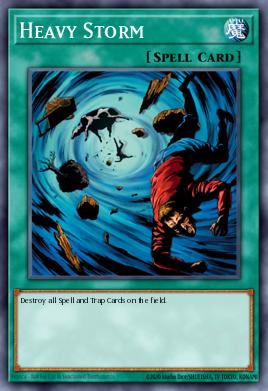
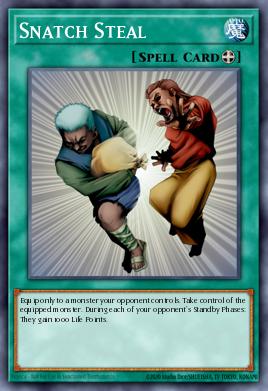
BLS + Snatch Steal + Heavy Storm
Even though Warrior is not known for having the strongest late game, it does have access to a powerful interaction that many Chaos decks cannot easily replicate: reviving its own Black Luster Soldier – Envoy of the Beginning.
Because the deck runs cards like Premature Burial, it is possible for BLS to return to the field multiple times if it was properly summoned earlier in the duel. This makes it important to always pay attention to your LIGHT and DARK setup, as drawing BLS in Warrior can quickly turn into a game-ending opportunity.
One interaction that sometimes comes up — especially against control decks — involves Snatch Steal, Scapegoat tokens, and Heavy Storm. If your opponent controls Goat tokens, you can Snatch Steal one of the tokens, switch it to Attack Position, and then activate Heavy Storm. When Snatch Steal is destroyed, the token returns to your opponent's field but remains in Attack Position.
From there, Black Luster Soldier can attack the token first and then attack again thanks to its effect, allowing you to push a large amount of unexpected damage and potentially finish the game on the spot. Because Warrior also runs Premature Burial, your BLS can sometimes be brought back for another push, meaning the same threat can decide the duel more than once if it was summoned correctly.
The Core Deck List
A standard Warrior deck typically runs 32 core cards with an additional 8 flex spots. The strategy revolves around a combination of tempo plays, aggression, and early field control, aiming to shut down key opponent plays while establishing a strong board presence quickly.
Signature Cards
Blade Knight — Shuts down flip effects while applying pressure with its 2,000 ATK, making it a versatile beater. When you have one or fewer cards in hand, Blade Knight's effect prevents flip effects from activating, which is devastating against Chaos Turbo's entire engine.
Mystic Swordsman LV2 — Perfect for shutting down any set monsters and punishing defensive plays. When it attacks a face-down Defense Position monster, that monster is instantly destroyed without flipping face-up, denying the opponent any flip effect value.
D.D. Warrior Lady — Can banish virtually anything, including troublesome monsters like Sinister Serpent or Sangan. Her LIGHT attribute also helps fuel BLS, and the banish effect denies graveyard-dependent strategies.
Don Zaloog — Forces your opponent to discard key cards from their hand when it deals battle damage, creating significant tempo advantage. In a format where hand size matters, Don Zaloog can single-handedly dismantle an opponent's game plan.
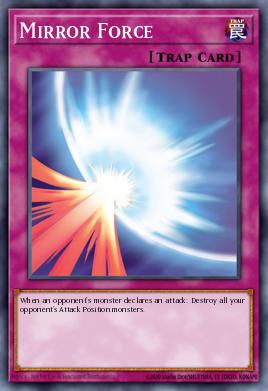
Ninja Grandmaster Sasuke — Shuts down face-up defense position monsters, making it ideal for removing Gravekeeper's Spy, Chaos monsters in defense, or other defensive threats while avoiding cards like Mirror Force.
Exiled Force — Flexible removal to take out any threat at the right moment. Tribute itself to destroy any monster on the field, bypassing battle entirely.
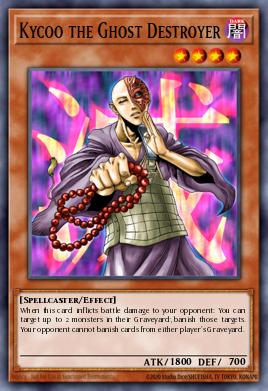
Kycoo the Ghost Destroyer — Banishes opponent's LIGHT and DARK monsters or Sinister Serpent from the graveyard when dealing battle damage, effectively preventing Chaos plays. While Kycoo is face-up, your opponent cannot banish cards from either graveyard.
Premature Burial — Revives whichever monster you need to extend tempo and maintain pressure. In Warrior, this often means bringing back a second beater for a devastating two-monster push.
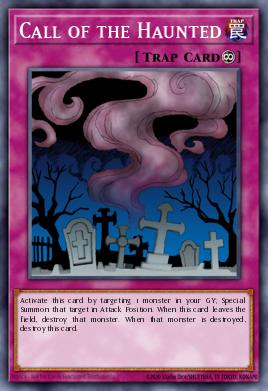
Call of the Haunted — Another revival tool that can bring back key monsters for aggressive plays or OTK setups. Can be activated during the opponent's turn to surprise them with an unexpected blocker or attacker.
Flex Spots and Tech Choices
The standard Warrior list runs 32 core cards, but what often separates the best players is how they choose the remaining 8 flex slots. These selections define your playstyle, matchup strengths, and overall deck consistency, allowing you to adapt to different meta threats while maintaining aggressive tempo.
Magician of Faith
Running 1 copy of Magician of Faith in the main deck gives Warrior a subtle but powerful tool against Chaos variants. MOF allows you to recover key Trinity pieces or other important cards from your graveyard, effectively taking away one of your opponent's biggest early-game plays.
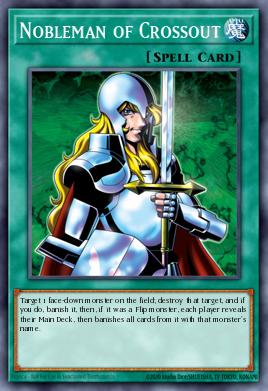
Even if your opponent activates Nobleman of Crossout to banish your MOF, they often banish their own critical LIGHT monster in the process. By tracking how many MOFs your opponent banishes, you can start making reads and predicting their plays.
MOF also works well as a bluffing tool, synergizing with cards like D.D. Warrior Lady or Don Zaloog, confusing your opponent about what you actually have set. This adds another layer of strategic depth to your early-game tempo plays.
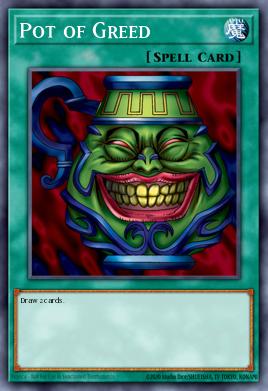
Jar of Greed
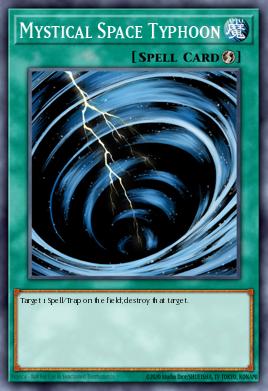
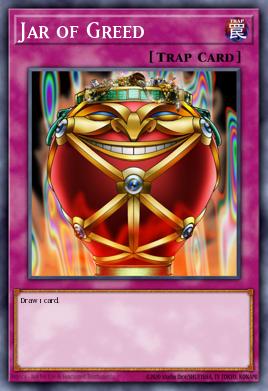
Jar of Greed is another optional flex card in Warrior, usually associated with Chaos Turbo decks but effective here as well. It baits removal and backrow such as Breaker the Magical Warrior, Heavy Storm, or Mystical Space Typhoon.
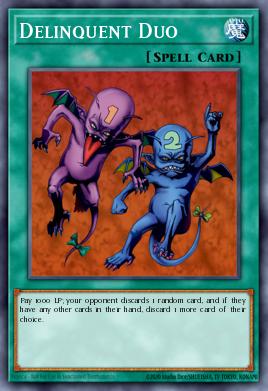
The card's value comes from supporting aggressive openings — for example, a turn 1 Blade Knight setting 4–5 cards. Jar of Greed keeps Blade Knight at 2,000 ATK while also mitigating the negative impact of cards like Delinquent Duo, potentially preventing a −2 discard. On the next turn, Jar of Greed allows you to draw the monster you need to maintain pressure.
The downside: in the mid-game, Jar of Greed can become a slow topdeck. Since Warrior often puts the opponent on the clock, relying on statistical advantages to finish games, it's recommended to run no more than 1–2 copies in the main deck.
Time Seal
Time Seal functions similarly to Jar of Greed in terms of synergy, boosting Blade Knight's ATK and preventing opponent draws from cards like Delinquent Duo. It is especially powerful against Chaos decks, which often have many dead cards in hand, such as Nobleman of Crossout, Thunder Dragon, and various flip effects. By skipping their draw phase, you can lock them out of a crucial card and potentially win on the spot.
However, there are caveats:
- If you chain multiple copies simultaneously, your opponent only skips one draw phase, so timing is critical.
- Like Jar of Greed, Time Seal can be a terrible topdeck in a card-for-card mid-game scenario.
For these reasons, 1–2 copies in the main deck are usually sufficient.
Warrior Variants
Not all Warrior decks are built the same. Over the years, players have developed several variants to suit different playstyles and metas. Each variant has unique strengths and weaknesses, and your choice should depend on your local meta, personal playstyle, and strategic goals.
Standard Warrior
The Standard Warrior list typically includes:
- 3 copies of Blade Knight
- 2 copies of Kycoo the Ghost Destroyer
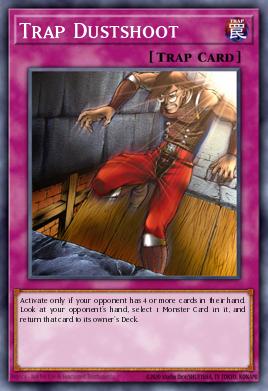
- 2 copies of Trap Dustshoot
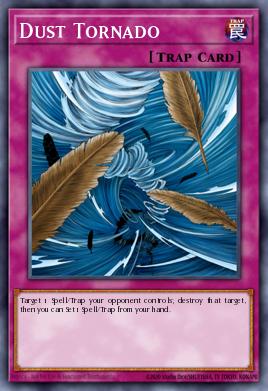
- 2 copies of Dust Tornado
- 1 copy of the Warrior Toolbox
The main idea behind this list is to open with Blade Knight and set 4–5 cards, with Solemn Judgment hidden behind to control the early game. This variant focuses on pure aggro–stun, aggressively pressuring the opponent while shutting down key plays with backrow and tempo plays.
Flip Warrior
The Flip Warrior variant leans more toward resource and tempo control rather than pure aggression. It typically includes various flip monsters such as:
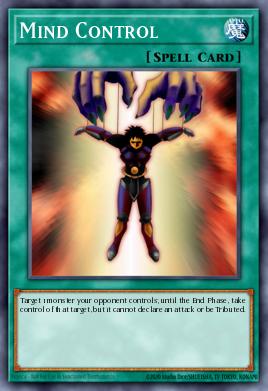
This version usually cuts down on the number of Blade Knights and runs only 1 Kycoo, trading raw aggression for better turn 1 stabilization. Flip Warrior can synergize with cards like Mind Control in the main deck, giving it more flexible control options and improving mid-game consistency. Overall, it is less aggressive but more resource-oriented.
Chaos Warrior
The Chaos Warrior variant removes Blade Knight completely to make room for 3 copies of Thunder Dragon, which conflict with Blade Knight's setup. This build keeps a small Warrior toolbox to provide early-game stun power to shut down flip monsters while also incorporating Chaos monsters for late-game impact.
Chaos Warrior is less damage-oriented than the Standard list but provides stronger late-game potential thanks to its Chaos engine.
Each variant serves a different purpose:
- Standard Warrior — pure aggro–stun, dominating early-game tempo and aggressive plays.
- Flip Warrior — hybrid, balancing tempo and aggression, with better turn 1 setups.
- Chaos Warrior — early-game stun with strong late-game potential, less reliant on raw damage.
Historically, the Standard Warrior list has performed the most consistently in tournaments, but your choice should depend on your playstyle, meta, and personal preference.
Matchup Guide
Understanding matchups is essential to mastering Warrior. Its aggression-oriented style requires precise calculation — while the deck can feel autopilot, several key decisions during a duel can completely change the outcome.
Warrior Mirror Match
The mirror match is largely determined in Game 1 by who can maintain the biggest beater on the field.
- Be cautious with Solemn Judgment, always expecting your opponent to respond with their own. Careful line calculation is key.
- Plays like Heavy Storm → chain Solemn Judgment into Solemn Judgment happen often; the player who resolves their final Solemn usually wins.
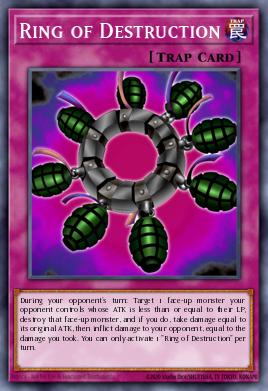
- Game-shots can occasionally come from cards like Ring of Destruction for a lethal.
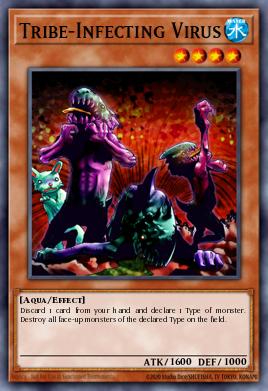
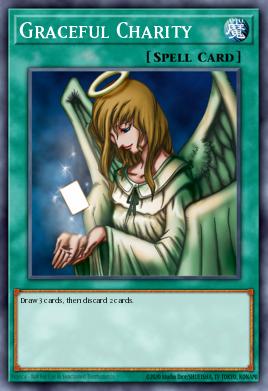
- Use dead cards such as Nobleman of Crossout or Trap Dustshoot as bait for Dust Tornado, or hold them for Tribe-Infecting Virus or Graceful Charity.
vs Chaos Turbo
- Game 1 is very favorable for Warrior. Focus on their Gravekeeper's Spy and what they add with Reinforcement of the Army.
- Capitalize on their dead Trap Dustshoot, Nobleman of Crossout, and flip effects to put them on the backpedal early.
- Don't be intimidated by their hand size — most cards are unsummonable or dead mid-turn.
- Game 2 and 3 are trickier as they may side in battle traps or Scapegoat + Metamorphosis / Creature Swap, but you can still find wins using Trap Dustshoot, Solemn Judgment, and multiple Dust Tornado.
vs Goat Control & Chaos Control
- Scapegoat matches are typically difficult. They can absorb early Warrior pressure with tokens and stall with Thousand-Eyes Restrict.
- Winning often depends on dice rolls and your opening setup, ensuring Trap Dustshoot, Dust Tornado, and Solemn Judgment are ready to interrupt their plays.
- Don't hesitate to Solemn a Scapegoat in Game 1 — aggression is key.
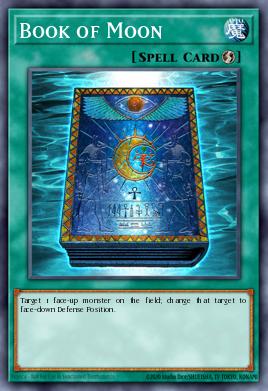
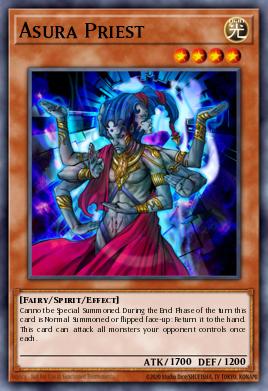
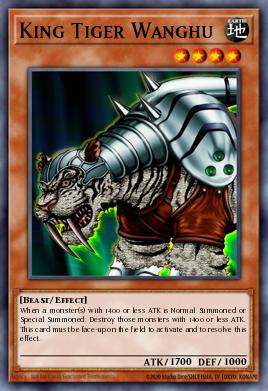
- Games 2–3 improve with side-deck options: Book of Moon, additional flip monsters, or Asura Priest / King Tiger Wanghu to counter Scapegoat plays.
- Always count your trap ratio for potential Royal Decree responses.
vs Burn
- Game 1 can be unfavorable due to floodgates like Gravity Bind, Level Limit – Area B, and Ojama Trio.
- A win is possible if you go first, resolving a well-timed Trap Dustshoot and combining other tempo cards effectively.
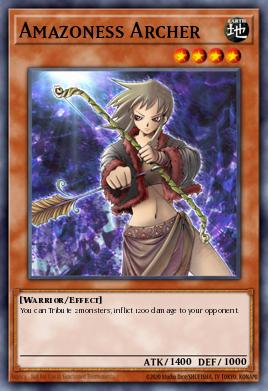
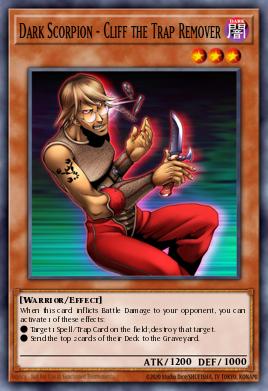
- Games 2–3 swing heavily in Warrior's favor thanks to multiple Dust Tornado, Dark Scorpion – Cliff the Trap Remover, and Amazoness Archer (both searchable by Reinforcement of the Army), allowing you to answer floodgates and Ojama locks.
- Combined with Mystic Swordsman LV2 and Exiled Force, Warrior has a complete package for control.
- Cards like Premature Burial and Call of the Haunted further extend plays, but always check for Ojama Trio before summoning a second monster.
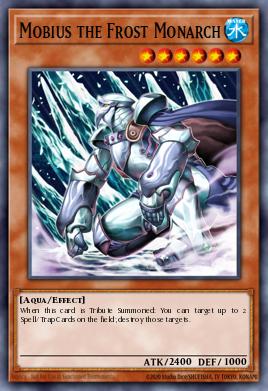
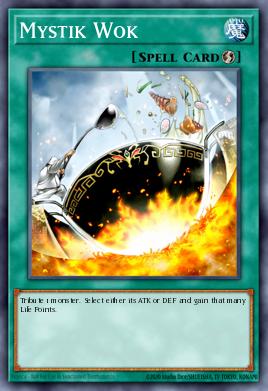
- Additional tech includes Mobius the Frost Monarch and Mystik Wok, depending on your build and side-deck choices.
Side Deck Plans
| Matchup | Side Out | Side In |
|---|---|---|
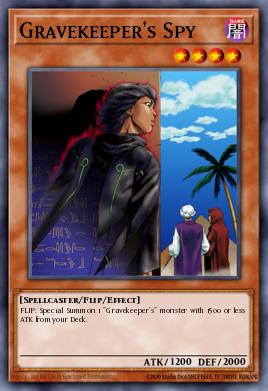
| Warrior Mirror | −2 Nobleman of Crossout · −2 Trap Dustshoot · −1 Mystic Swordsman LV2 · −1 Kycoo the Ghost Destroyer | +2 Ninja Grandmaster Sasuke · +1 Dust Tornado · +2 Gravekeeper's Spy · +1 Mobius the Frost Monarch |
| Chaos Turbo | −1 Jar of Greed | +1 Mind Control |
| Goat Control & Chaos Control | −1 Blade Knight · −1 Kycoo the Ghost Destroyer | +2 Jar of Greed · +1 Asura Priest · +1 King Tiger Wanghu · +1 Book of Moon · +1 Mind Control |
| Burn | −2 Blade Knight · −1 Kycoo the Ghost Destroyer · −2 Trap Dustshoot · −1 Snatch Steal | +1 Amazoness Archer / Dark Scorpion – Cliff the Trap Remover · +1 Dust Tornado · +2 Ninja Grandmaster Sasuke · +1 Mobius the Frost Monarch · +1 Mystik Wok |
Common Mistakes to Avoid
Even though Warrior seems like a very linear deck, how you set up your early game often decides the outcome of the match. Many losses come not from bad draws, but from misplays in tempo, trap usage, or summoning decisions.
1. Mind the Breaker
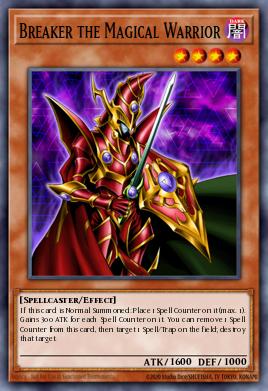
While everyone knows not to set your entire hand without Solemn Judgment to play around Heavy Storm, many players still fall victim to Breaker the Magical Warrior.
- Example 1: Normal summoning Kycoo and setting Call of the Haunted on turn 1 can be severely punished if your opponent swings over Kycoo with Breaker, destroying the backrow and leaving you at a huge −2 card disadvantage.
- Example 2: Summoning Sasuke with a set Dust Tornado can force you to use your trap prematurely, going −1 and losing tempo.
Trap Dustshoot mitigates many of these risks, allowing you to remove Breaker safely, but you should always consider what you summon when you cannot set everything. Calculate your risks based on your monster stats and whether your backrow can protect you.
2. Playing Too Passive
Warrior is a statistical deck, and you cannot play around everything. Holding your Solemn Judgment too long, waiting for a perfect Heavy Storm or other combo, often loses you games.
- Example: Solemning a Graceful Charity or Card Destruction immediately against Chaos Turbo is often correct. Forcing Turbo to discard multiple cards can prevent them from setting up LIGHT/DARK monsters for Chaos, while also removing dead cards.
Your primary goal should always be early field presence, controlling the board and setting up damage. Waiting too long to react gives your opponent tempo and card advantage, which is often more costly than using your traps proactively.
3. Summoning Always on Turn 1
Unlike decks such as Chaos Turbo, Warrior doesn't always have to summon turn 1, especially in Game 1 when your opponent doesn't know your deck.
- If a monster doesn't provide immediate value, it can be better to set backrow and pass, maintaining defensive options.
- Flip monsters generally require a turn to become effective, while your opponent can act immediately. Passing can often give you huge tempo advantages while baiting misplays.
4. Adding with ROTA to Thin the Deck
You almost never want to use Reinforcement of the Army randomly. Remember: ROTA is the joker of your deck, capable of grabbing any monster at any moment, which is what makes Warrior so strong.
- Adding a monster immediately could disrupt your Blade Knight openings if you draw another monster next turn.
- Keep ROTA for crucial plays, when you truly need a specific monster to maintain tempo or create lethal setups.
5. Not Respecting Delinquent Duo
Many players open with Solemn and 2–3 backrows but hold back cards out of fear, trying to play around Heavy Storm. This cautious approach often loses the turn 1 advantage and exposes you to cards like Delinquent Duo or even a dead Trap Dustshoot.
- Warrior relies on calculated aggression, and over-cautious play often costs more games than aggressive misreads.
- Playing to protect everything usually loses to more cards than it avoids.
FAQ
Is Warrior the Best Deck of the Format?
No. Warrior is usually a strong Tier 1 contender, but not necessarily the outright best deck. Its main strength lies in giving you an edge against a field full of Chaos Turbo decks, especially if you pre-side cards like Trap Dustshoot and Mind Control to dominate the mirror match.
What Is the Best Way to Beat Warrior?
- Scapegoat package — Disrupts Warrior's aggressive early turns, giving you time to breathe and stall, even if they shut down your flip effects.
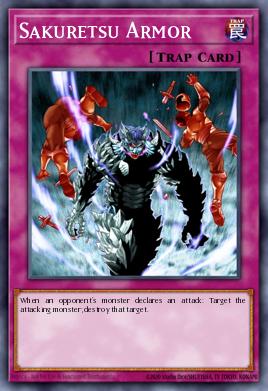
- Battle Traps (e.g., Sakuretsu Armor) — Protect your flip monsters while removing Warrior threats.
- Gravekeeper's Spy / Spirit Reaper — Stall the game and negate Warrior's early aggression.
- Swords of Revealing Light — Stall for three turns, allowing you to resolve key flip effects safely.
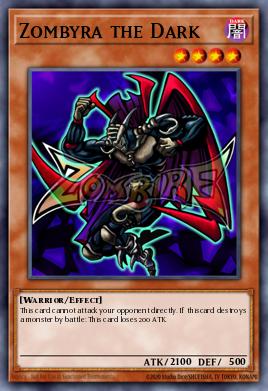
- High-ATK Beaters (e.g., Gorilla Berserk / Zombyra) — Overcome Warrior monsters and disrupt its flip-based strategy.
- Cipher Soldier — Versatile stall monster that can also become a beater when needed.
How Much Does Warrior Cost to Build?
If built using the lowest rarity versions of the cards, Warrior is surprisingly affordable. On average, the full deck can be built for around $70 or less, depending on card condition and availability. This makes it a relatively accessible competitive option compared to other top-tier decks.
What's the Best Warrior List for Beginners?
The Standard Warrior list is usually the most consistent choice for newcomers. It provides multiple copies of Trap Dustshoot, Solemn Judgment, and Dust Tornado, ensuring you can prevail through the deck's early aggression and stun style. This simplifies the game state, allowing beginners to focus on maintaining tempo and building a clock without overcomplicating decisions.
Download Deck List
Ready to play? Copy the deck list below and paste the YDKE code into your deck builder to start playing Warrior right away.
🃏 Warrior — Deck List
Main Deck (40)
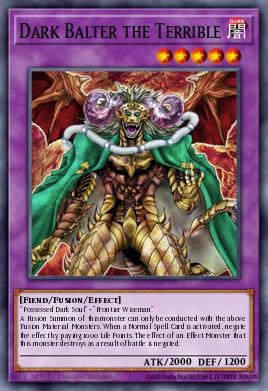
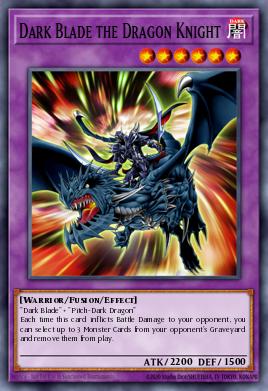
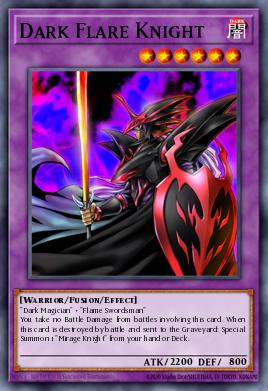
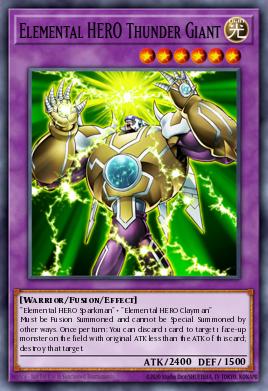
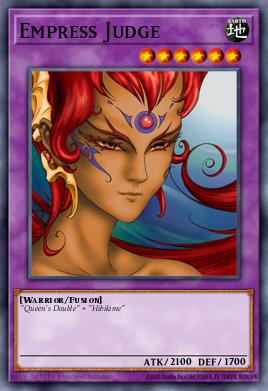
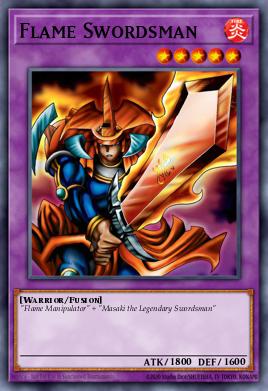
Extra Deck (15)

Side Deck (15)
Keep Reading
Continue your journey into Goat Format:
- Chaos Turbo Complete Deck Guide — The most popular deck in modern Goat Format explained
- Goat Control Complete Deck Guide — The most iconic deck in the format
- Goat Format Tier List 2026 — Where Warrior ranks and why
- Goat Format Staples: Every Must-Have Card Explained — Deep-dive into every core card
- 5 Best Budget Goat Format Decks Under $30 — Build competitive decks on a budget
- Goat Format Banlist Explained — The restrictions that shape the format
- Where to Play Goat Format Online in 2026 — Every platform compared
- Yu-Gi-Oh! Retro Formats Guide — Every retro format compared: Goat, Edison, HAT, Tengu and more
- Global Rankings — See who's at the top of the Goat World leaderboard
Ready? Join the Goat World Discord — free, 24/7, and your first ranked match is one command away.